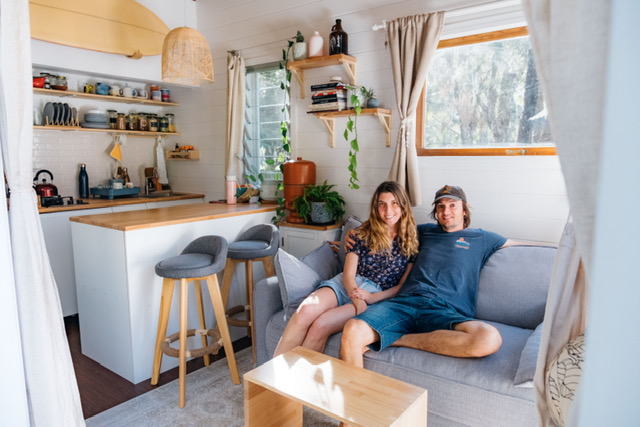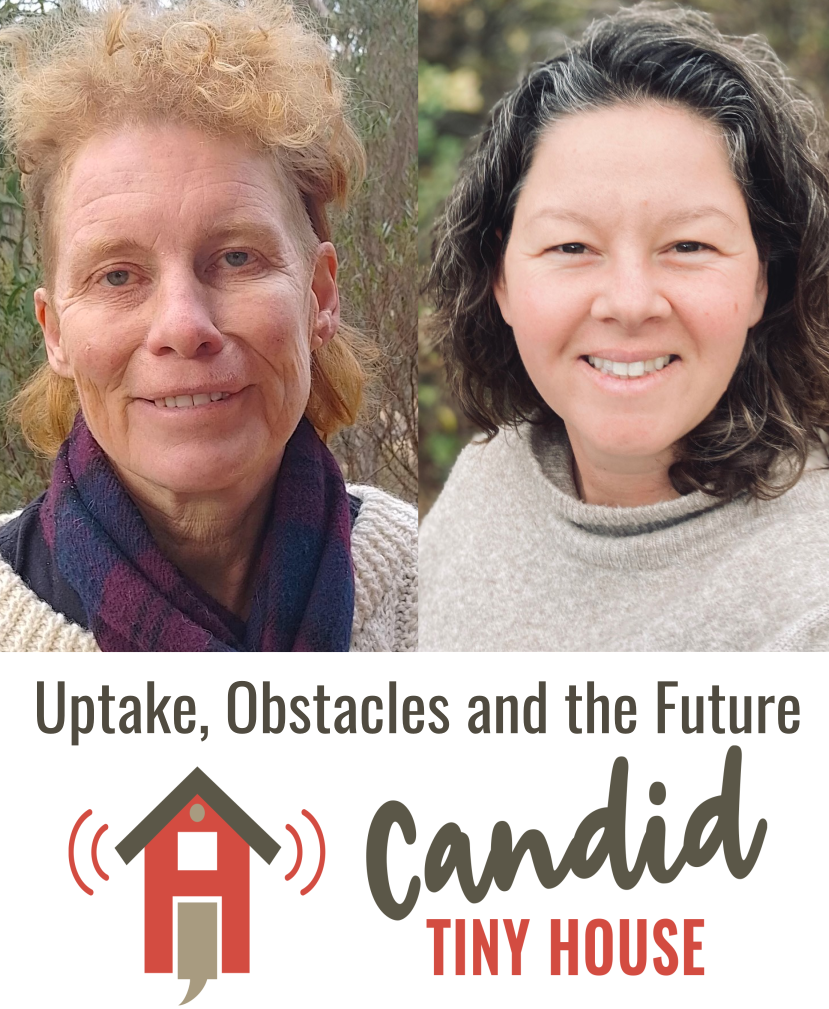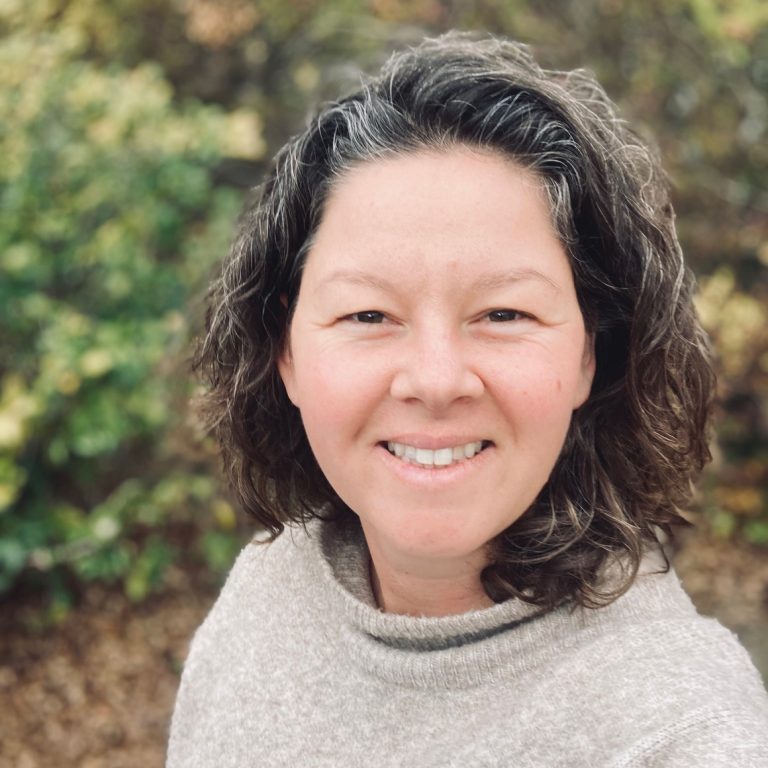
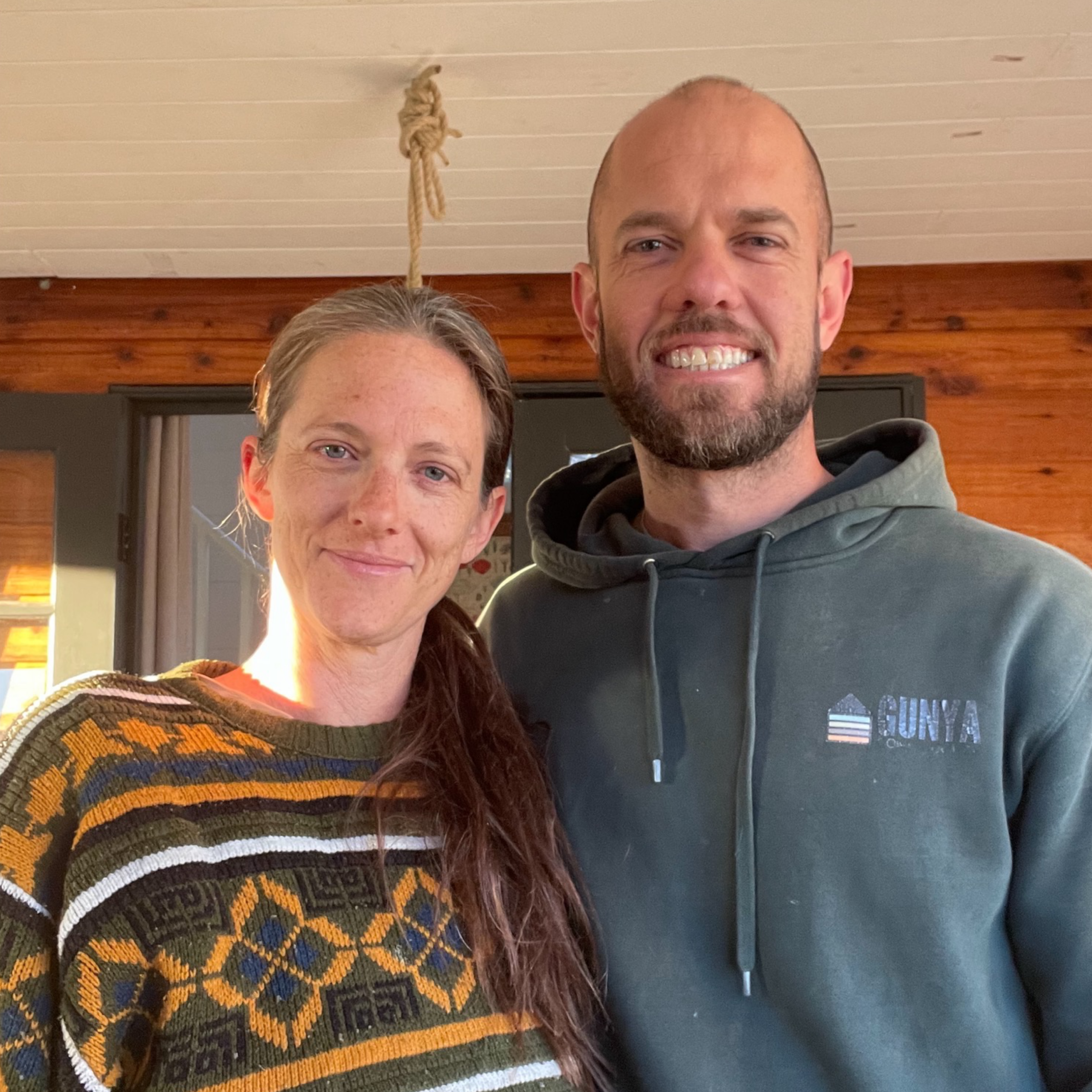
Aaron & Amanda
Candid Tiny House Podcast E2, S3
A DIY Tiny House that Expands and Evolves...
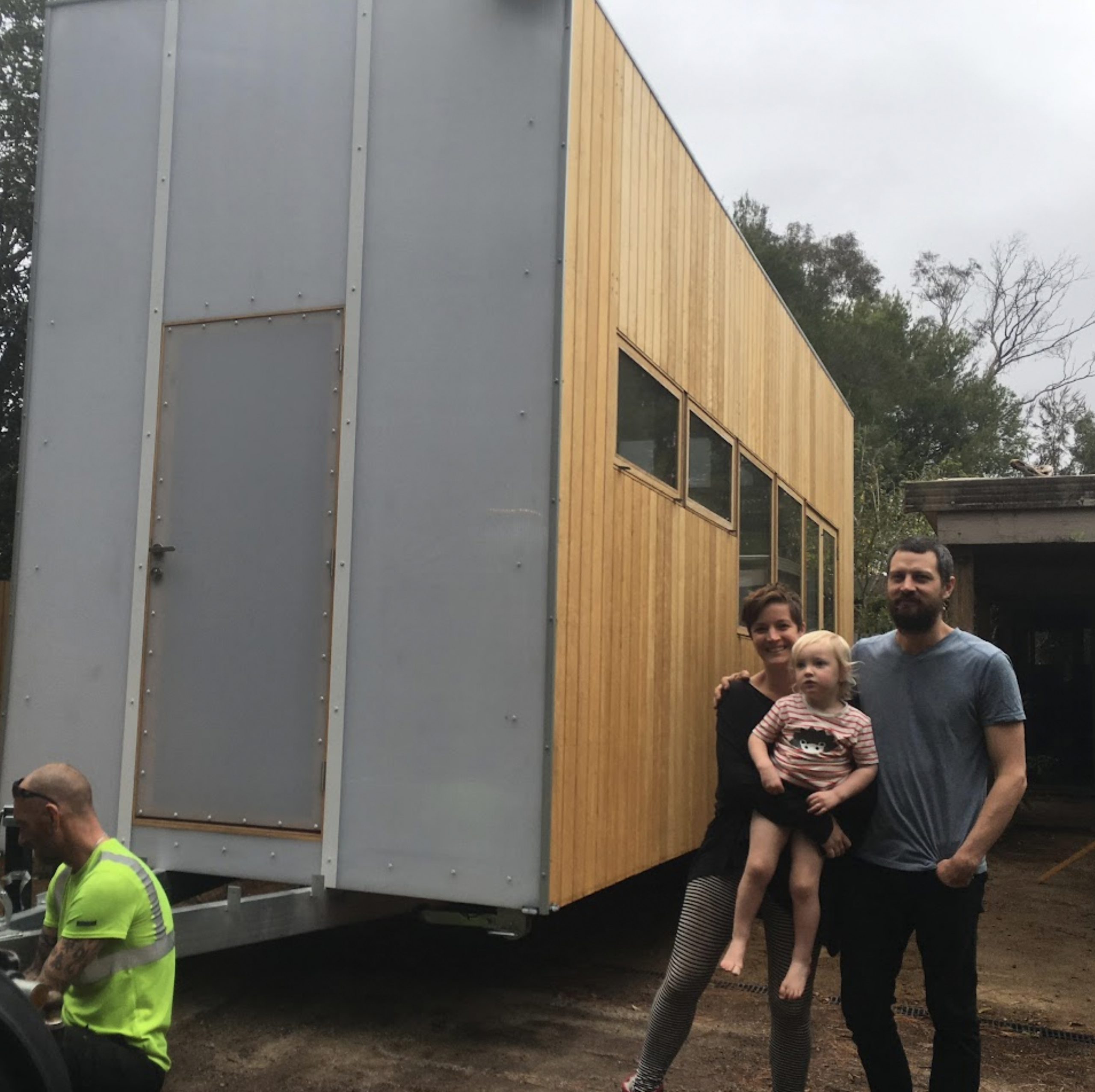
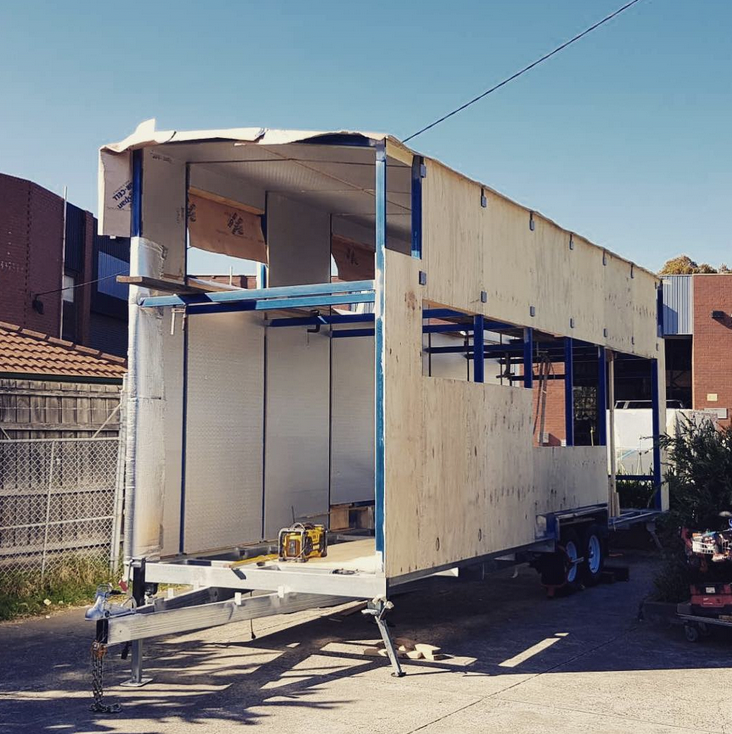
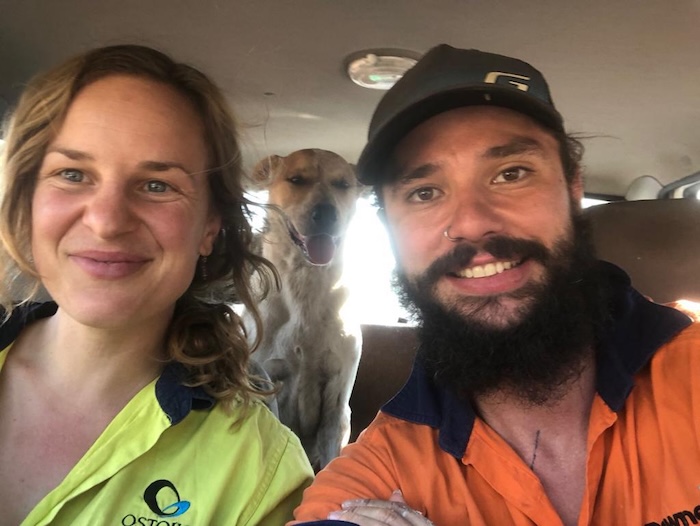
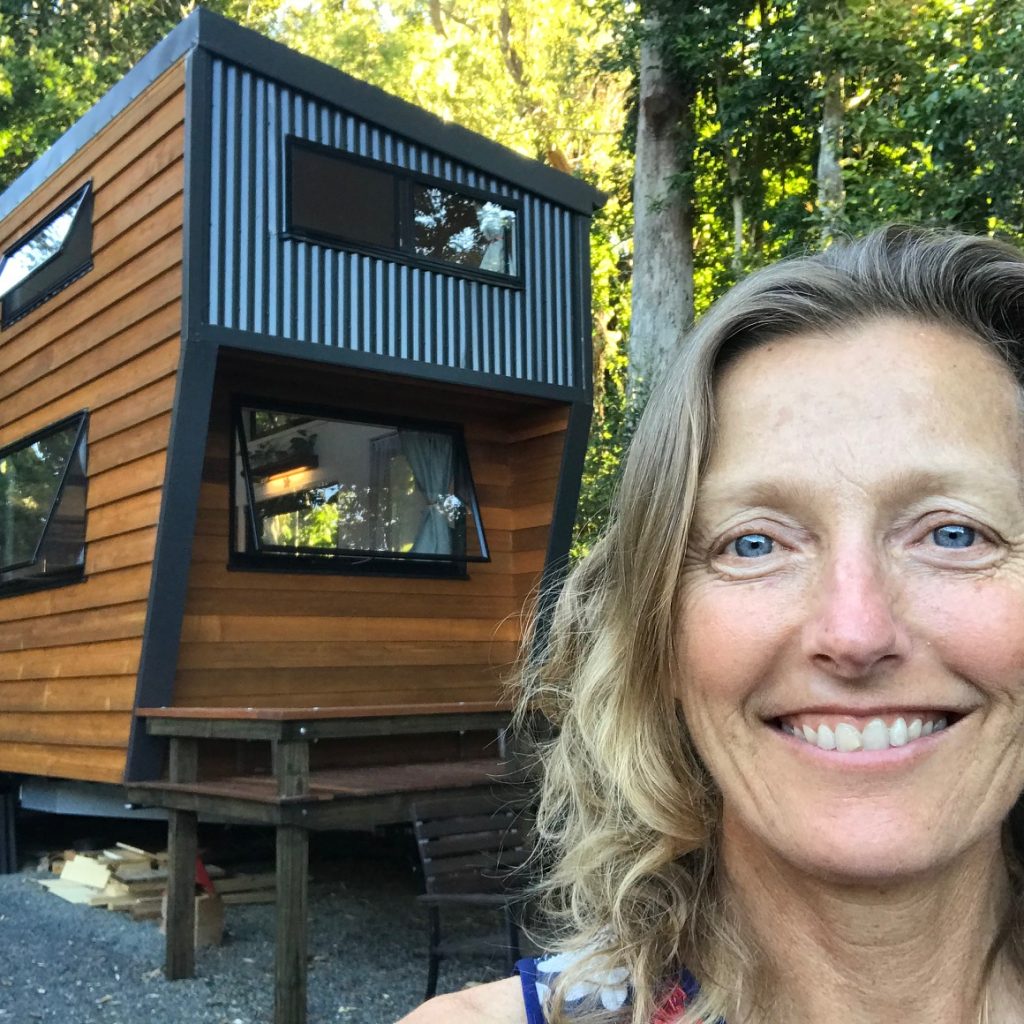
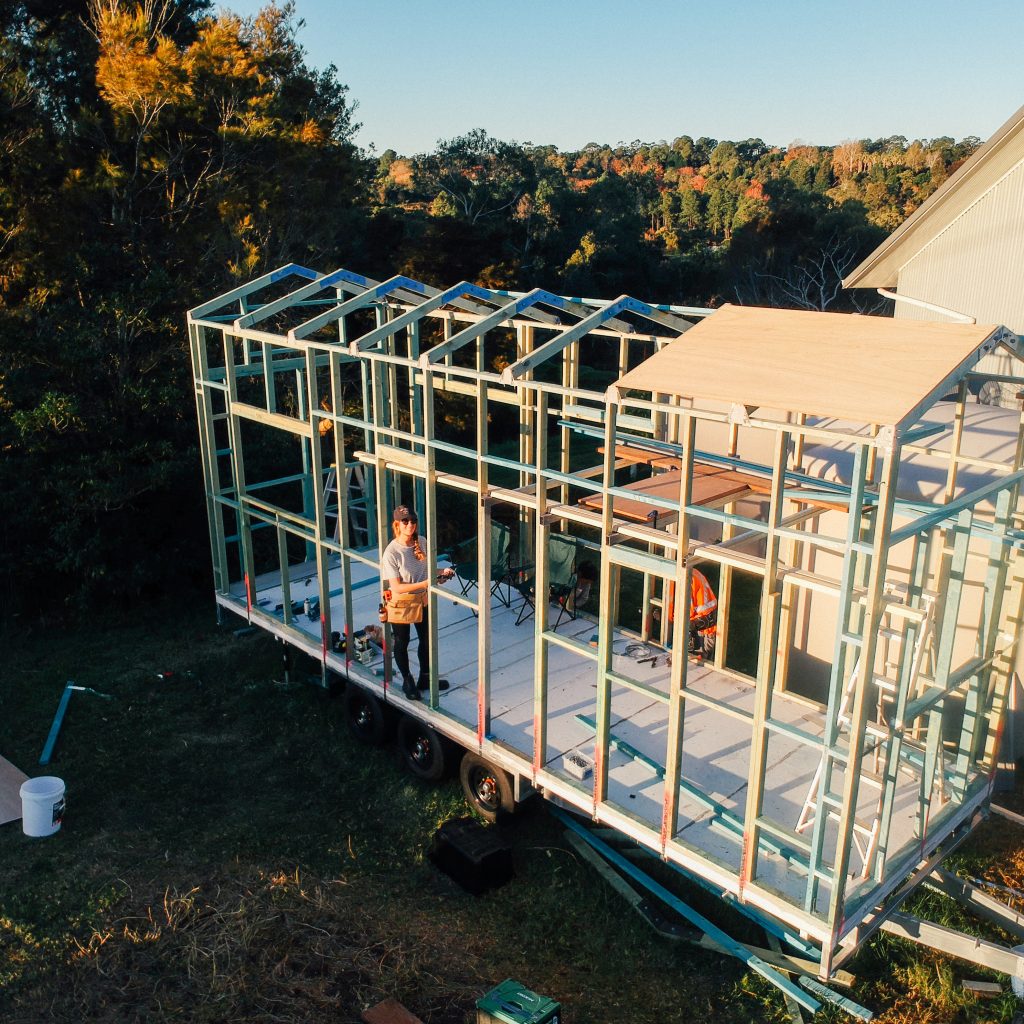
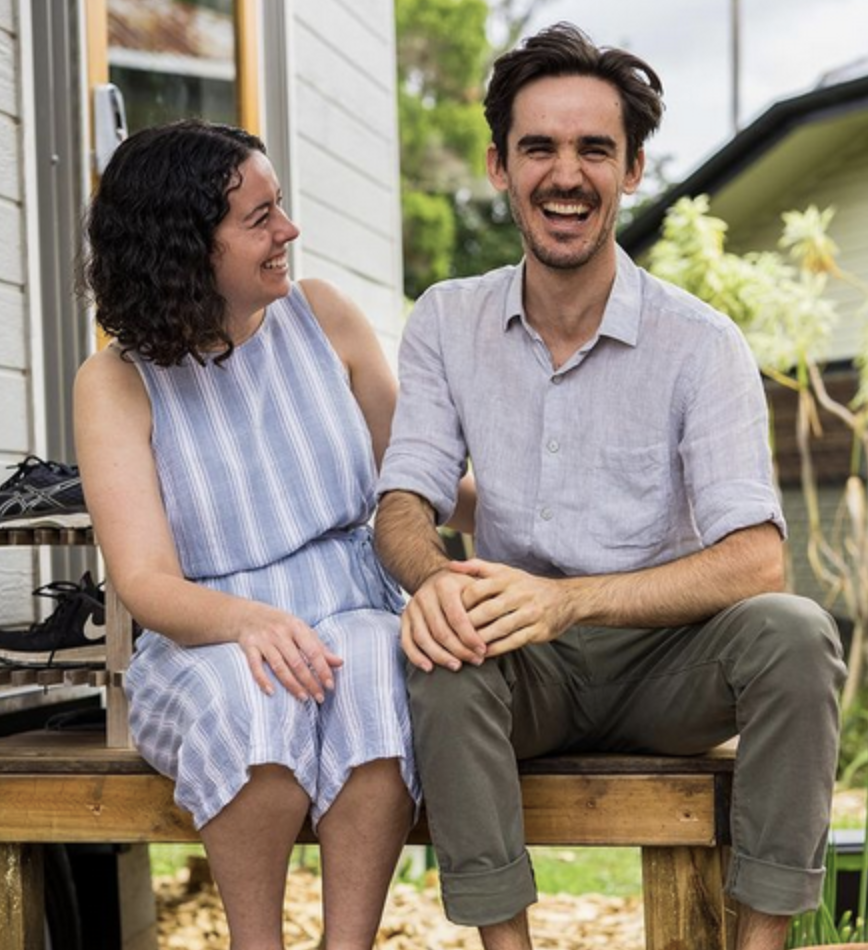
When Aaron and Amanda set out to build their tiny house on wheels, they weren’t chasing perfection.
They were chasing possibility.
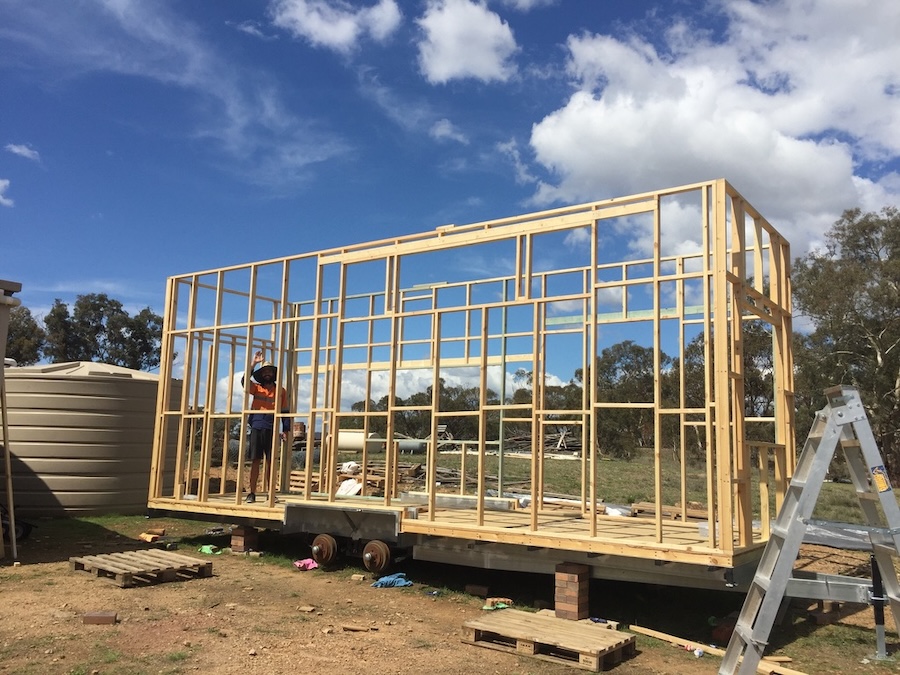
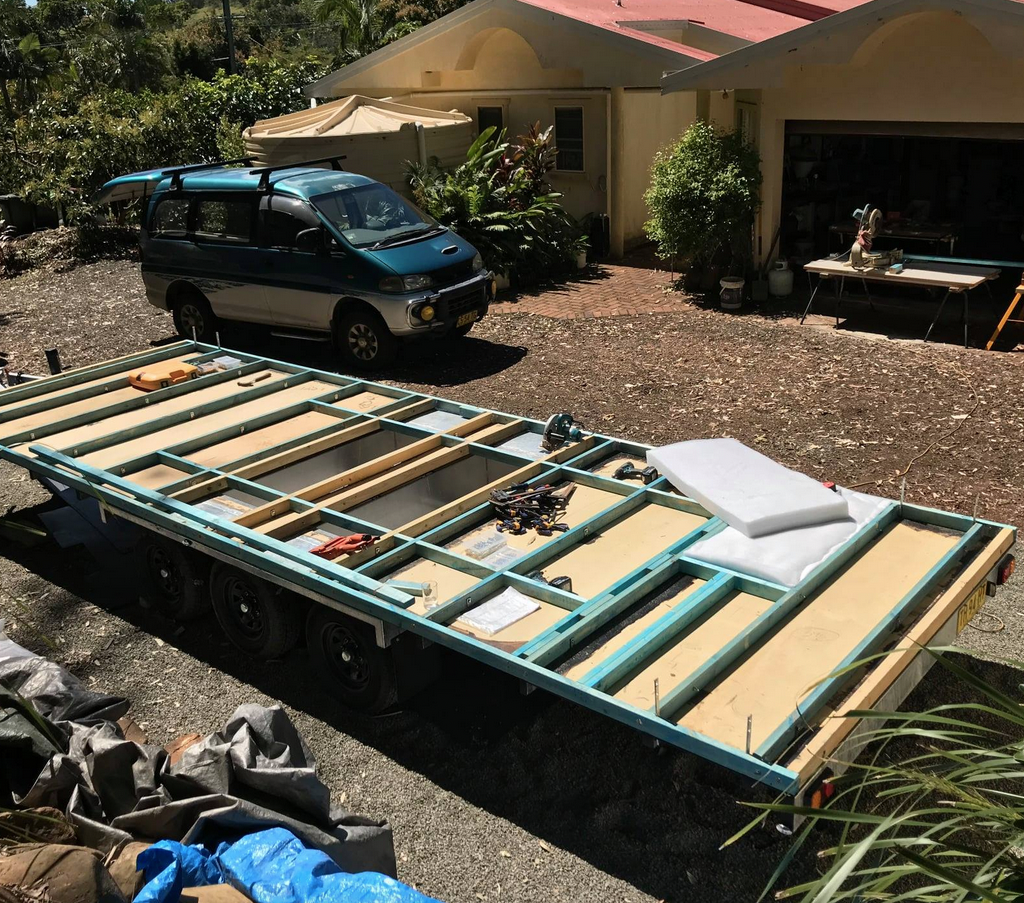
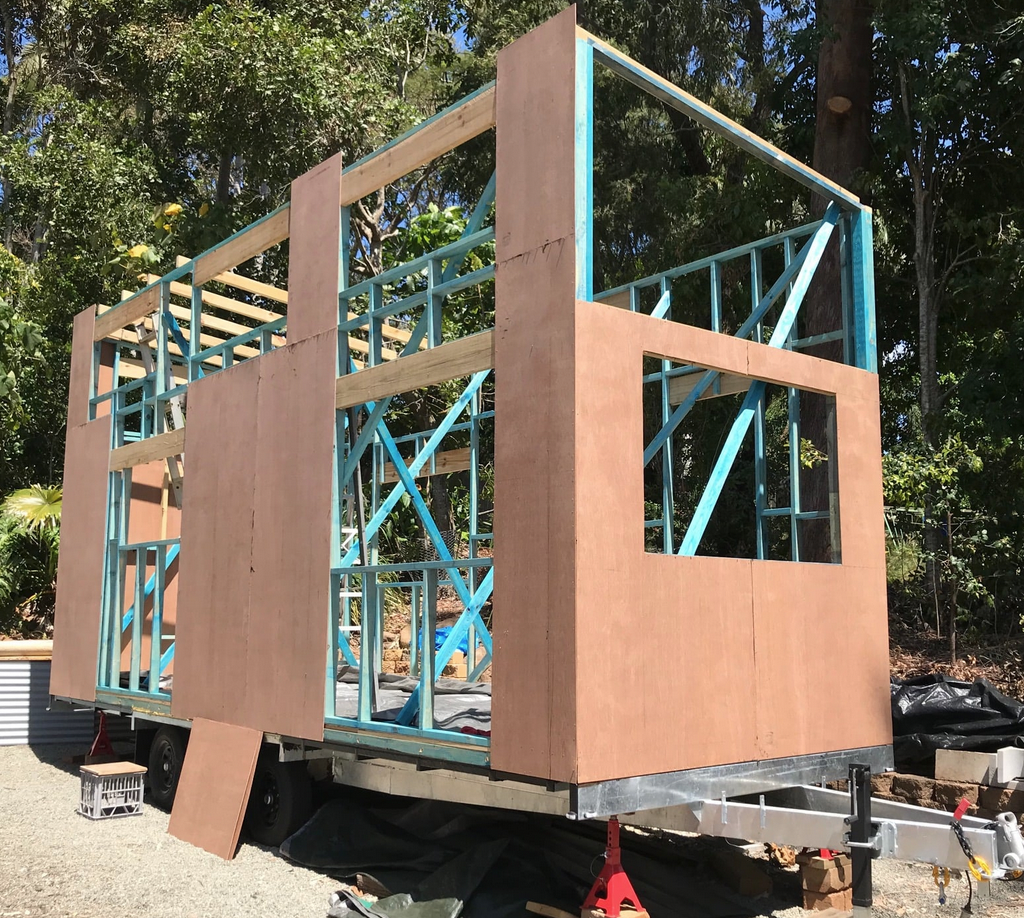
With Aaron’s background as a carpenter and the steady support of his dad—a retired builder—they had the skills, the space, and the determination to make it happen. But what unfolded wasn’t a clean, linear build. It was something far more honest—and far more valuable for anyone considering a DIY tiny house in Australia.
Because this isn’t just a story about building a tiny house.
It’s about what happens after.
“You Might Have the Skills… But Not These Skills”
For many tradespeople, a tiny house on wheels can feel like familiar territory.
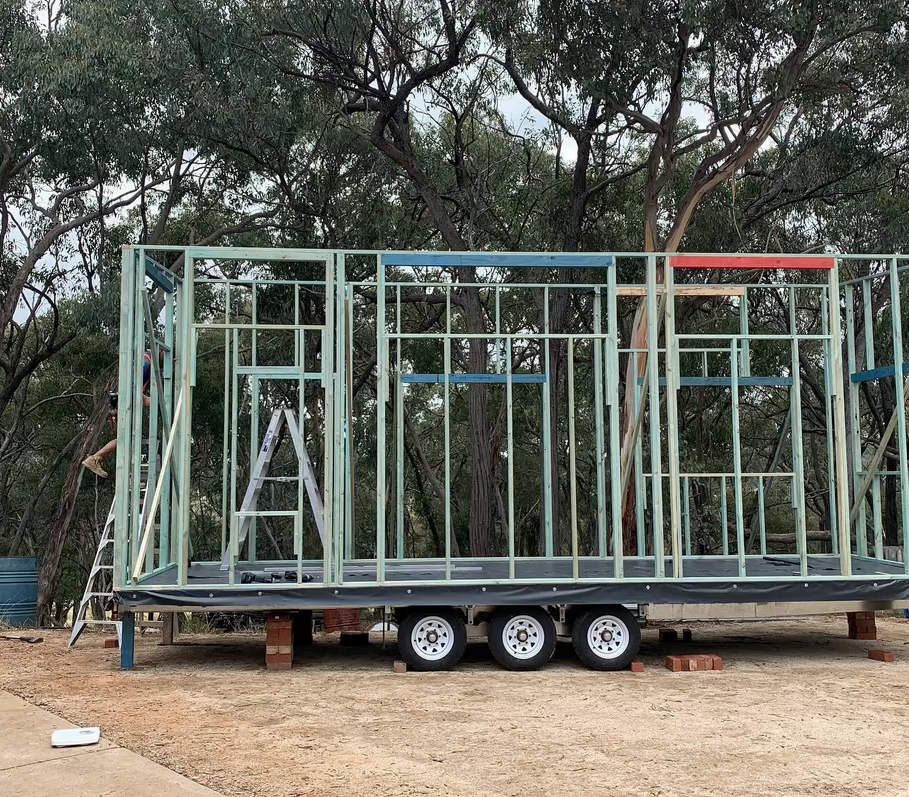
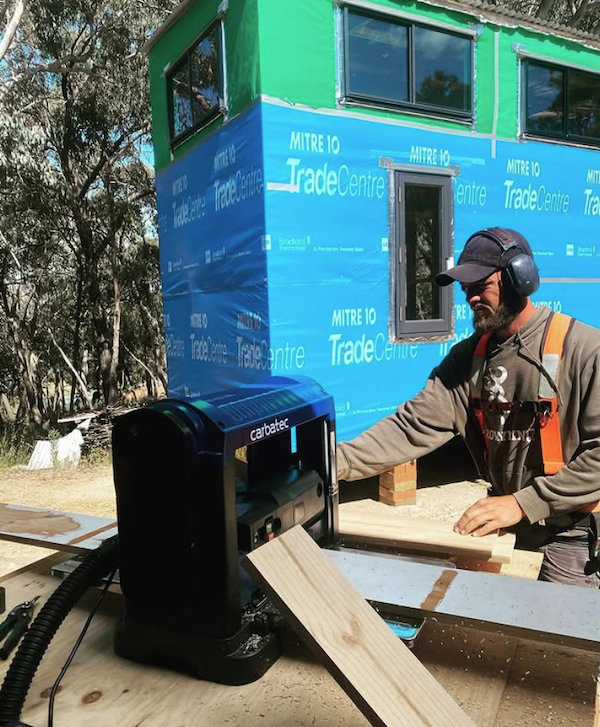
Timber framing. Cladding. Fixing out interiors.
But Aaron is quick to offer a reality check.
“And I think almost a little bit of having to swallow your own pride too. Like oh, I’m a builder, or I’m a carpenter, I know how to do this, but it’s almost like—well, yeah, you may have a skill set but you don’t necessarily have a skill set that’s within this category. You might have to learn a few new things too.”
A tiny house on wheels isn’t just a small house.
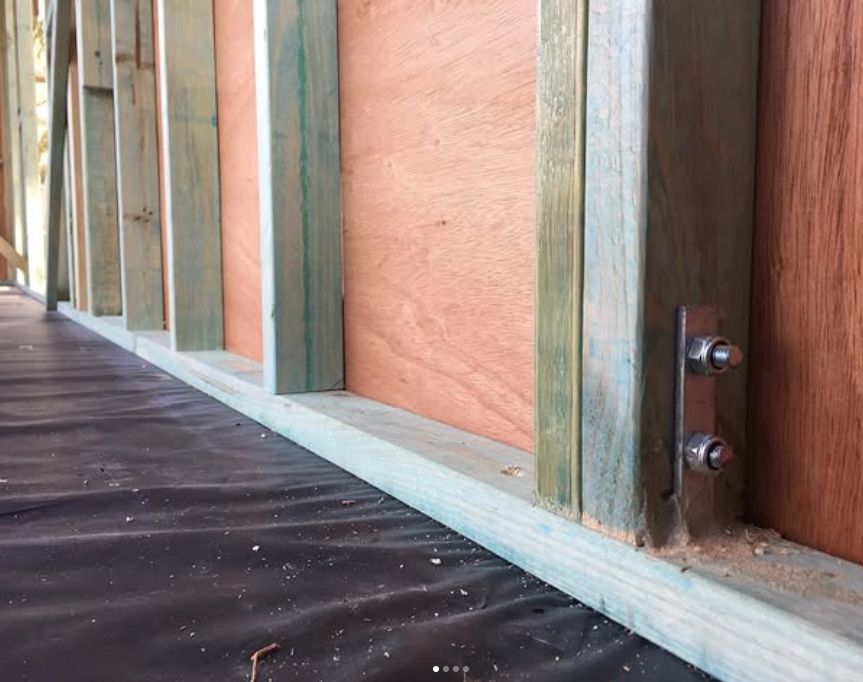
It’s a structure that behaves like a vehicle—where weight, movement, and constraints change everything. And that shift in mindset is often one of the biggest hurdles for experienced builders stepping into the tiny house space for the first time.
Social Media vs Reality: The Weight Problem No One Sees
Like many people drawn to tiny house living, Amanda began with inspiration.
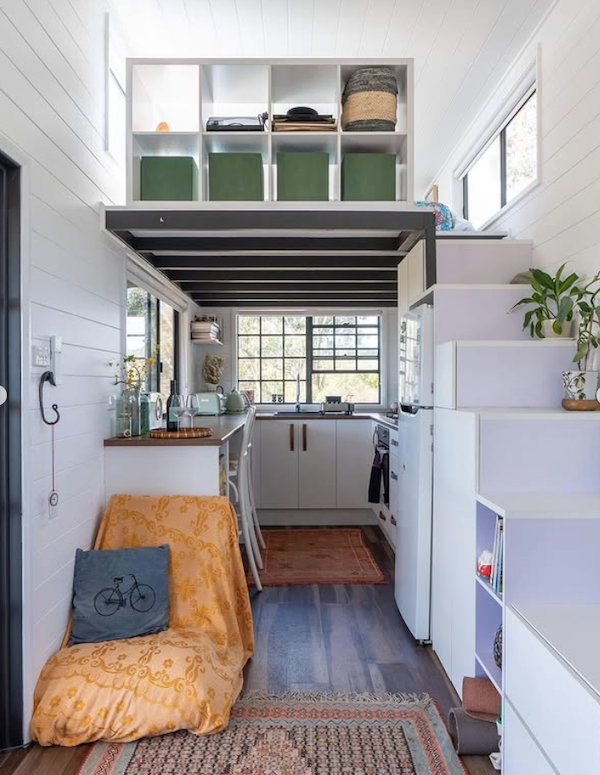
Beautiful, polished images. Clean lines. Light-filled interiors.
But behind those images was something less visible—and far more critical.
Weight.
“And that’s what I was looking at—the polished versions. I’m like ‘oh, we could do this!’ and Aaron’s like ‘it just does not look the right weight’. So that was a learning as well, because what you see is social media versus reality… I would be showing him these beautiful glossy houses, but Aaron was learning—there’s no way that looks underweight.”
It’s a common disconnect in the tiny house world.
What looks good online doesn’t always translate to something that can legally and safely travel on Australian roads. And for Aaron and Amanda, that tension between inspiration and feasibility became a defining part of their build.
A Build Without a Blueprint
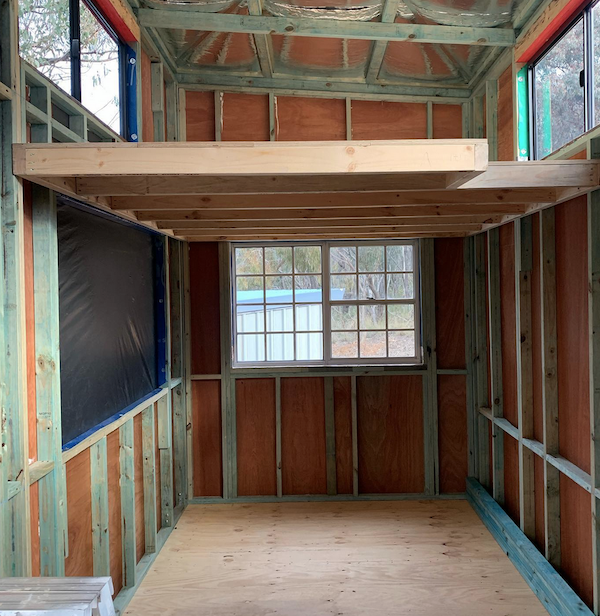
Unlike many builds that start with detailed plans and fixed budgets, this one unfolded in real time.
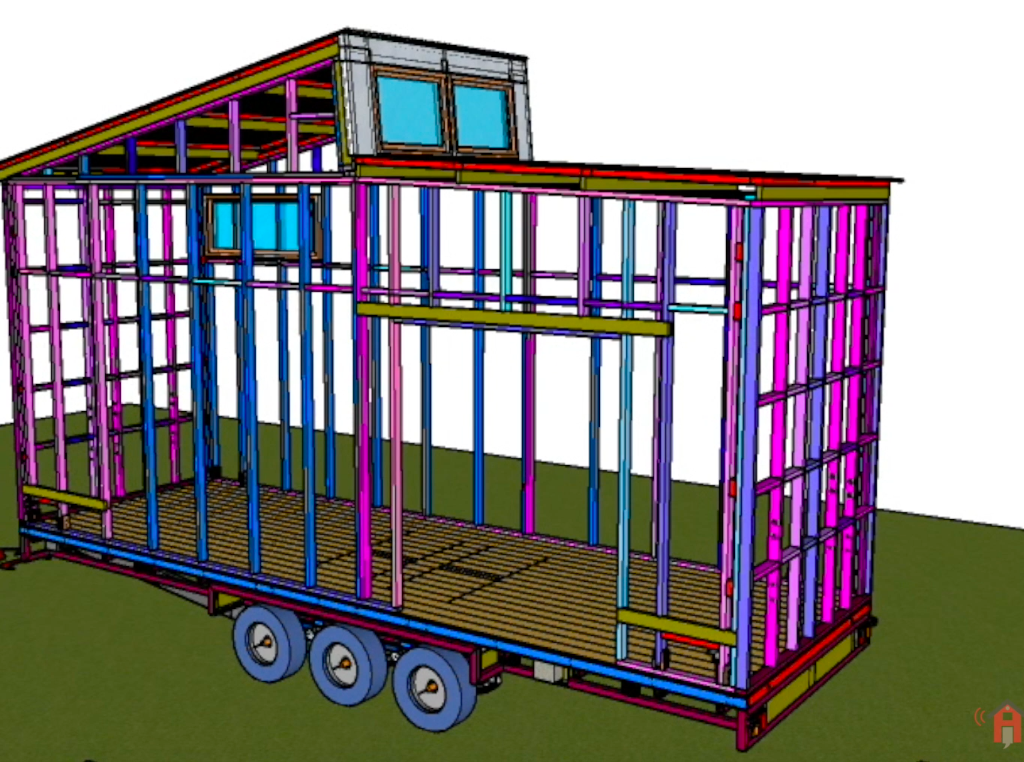
“We didn’t have a strict budget or a design. Like—we sat down and sketched it out, and we built a little 3D model with a hard cardboard you can get from Officeworks. We sort of glued that together. But we were very hap-hazard with this build.”
Amanda laughs as she reflects on how far they drifted from that original vision:
“Very ad-hoc, as we went. Because our house looks nothing like that little 3D thing! We changed it so many times along the way.”
This flexibility gave them freedom—but it also introduced trade-offs, some of which only became clear once they were living in the space.
The Hidden Cost of Reclaimed Materials
Like many tiny house builders, Aaron and Amanda were drawn to reclaimed materials.
It felt sustainable. Affordable. Full of character.
But the reality was more complicated.
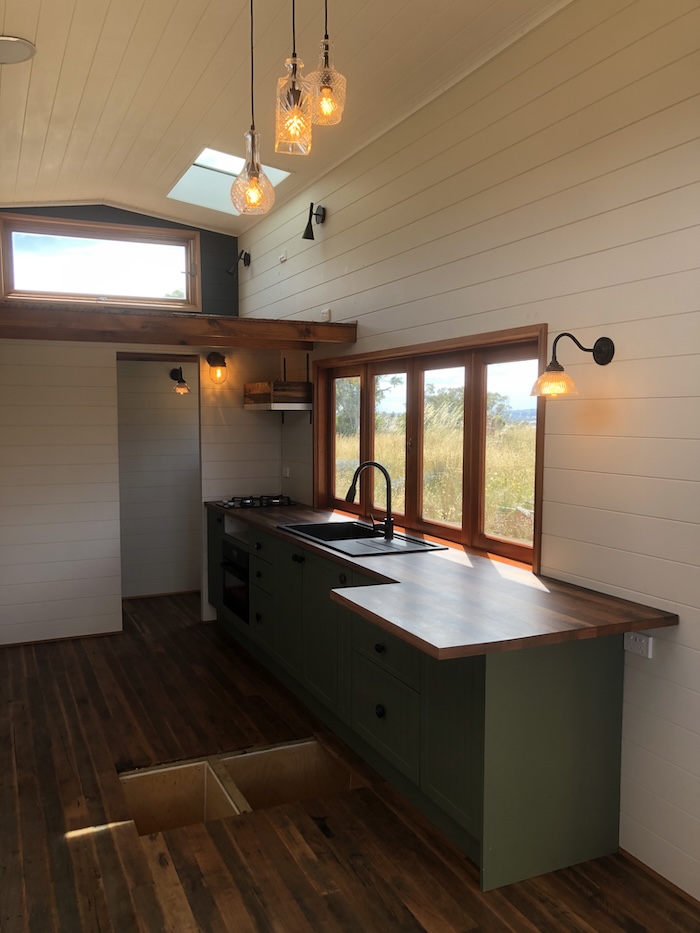
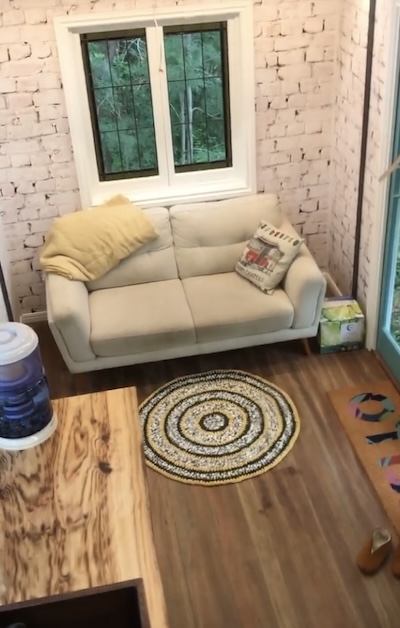
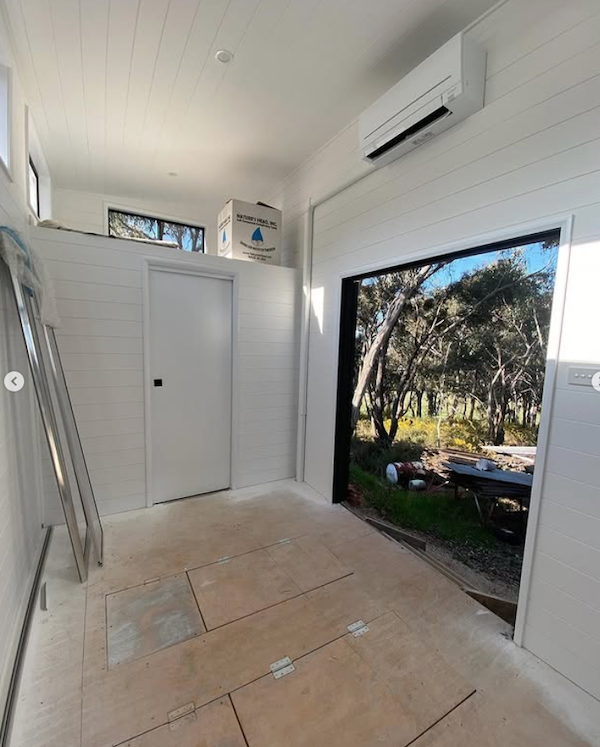
Second-hand French doors seemed like a great find—until they spent countless hours stripping lead paint, repainting, installing… and then living with the consequences.
Drafts. Air leaks. Ongoing inefficiency.
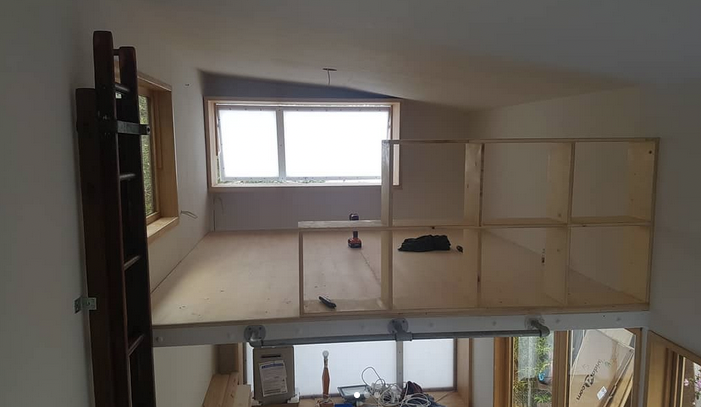
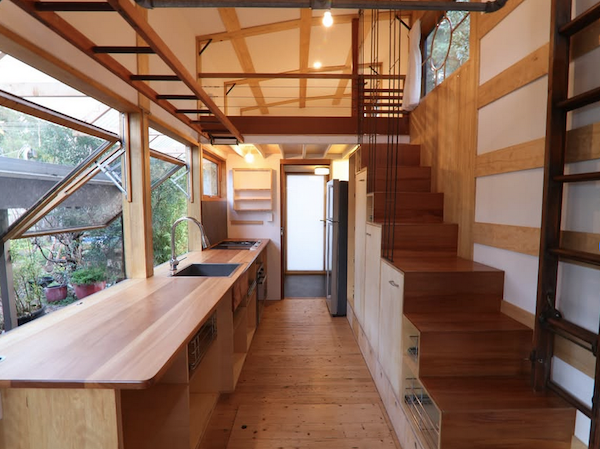
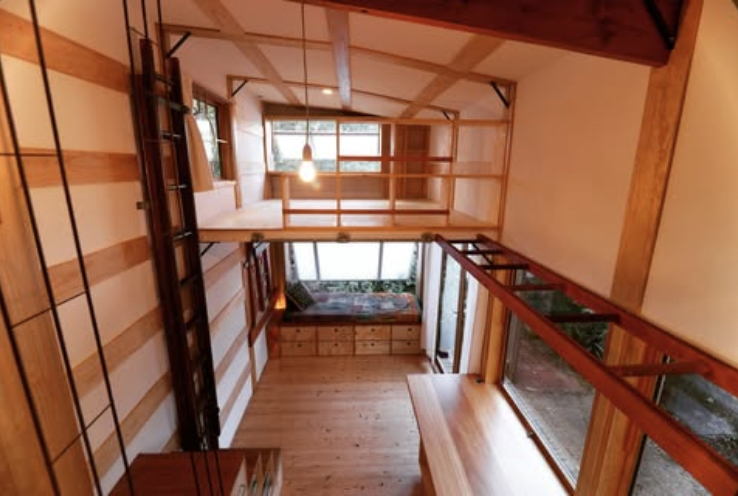
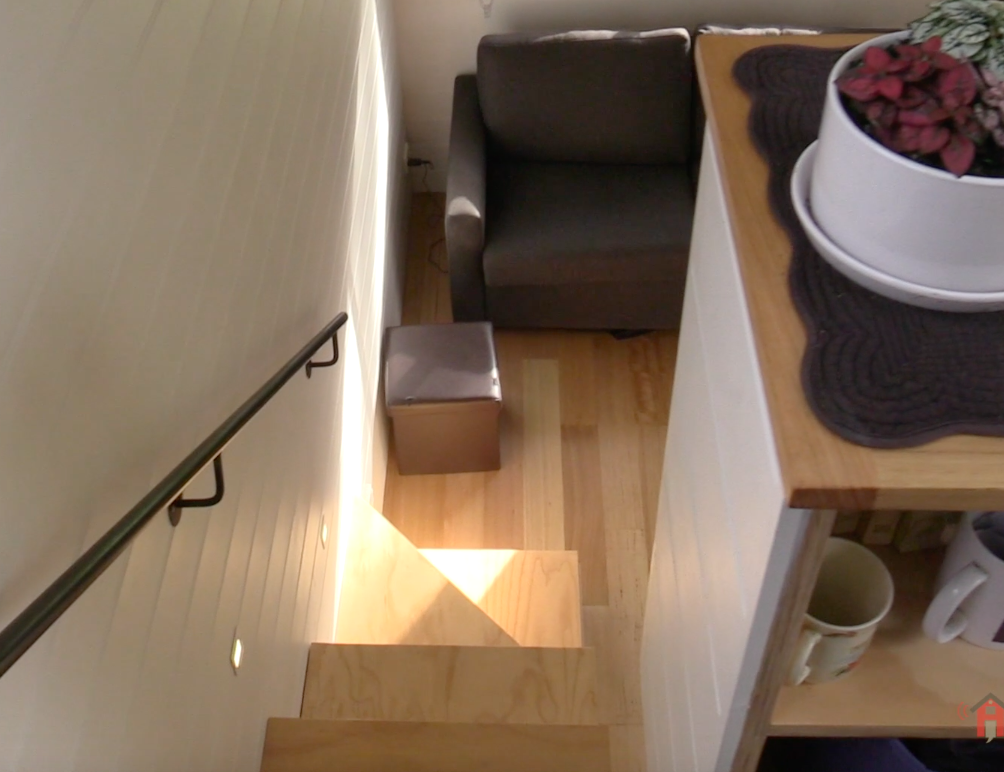
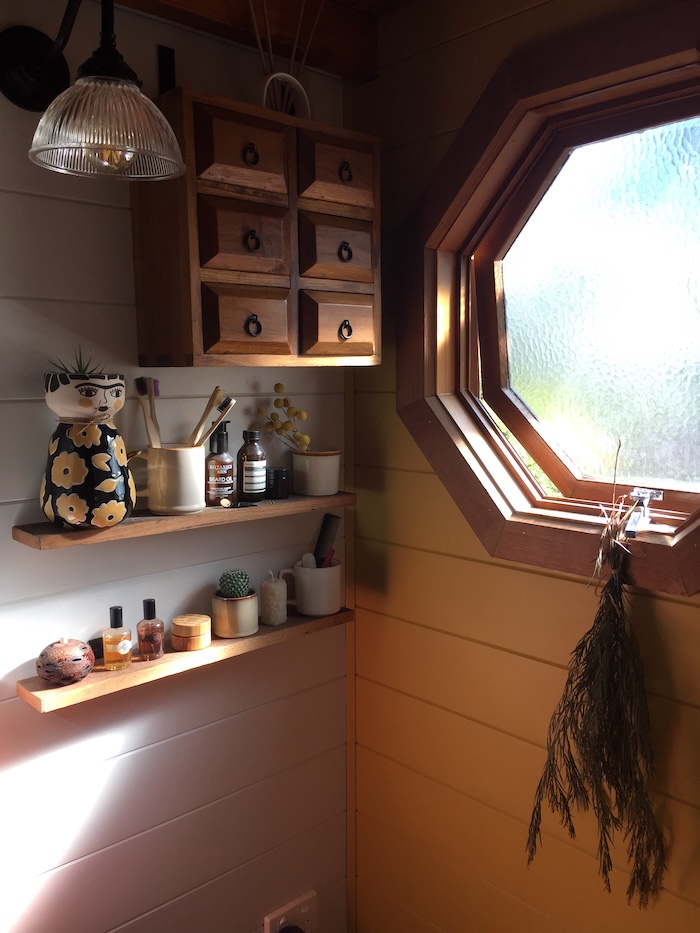
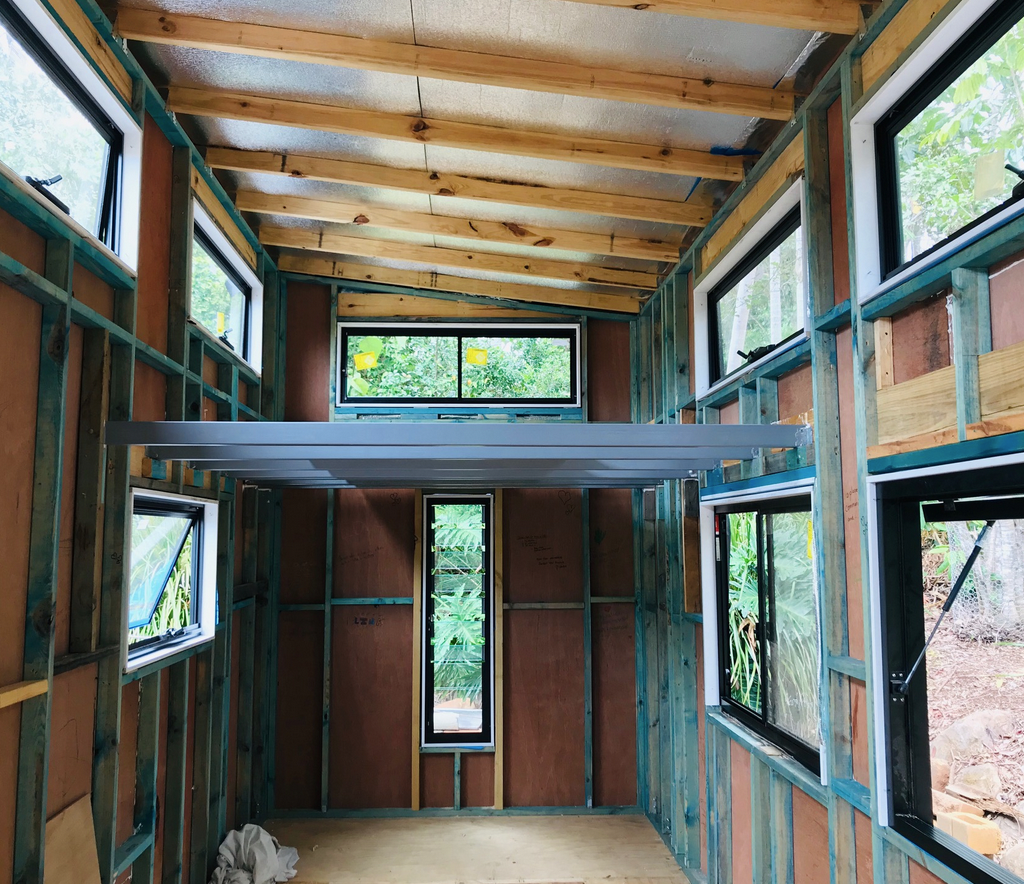
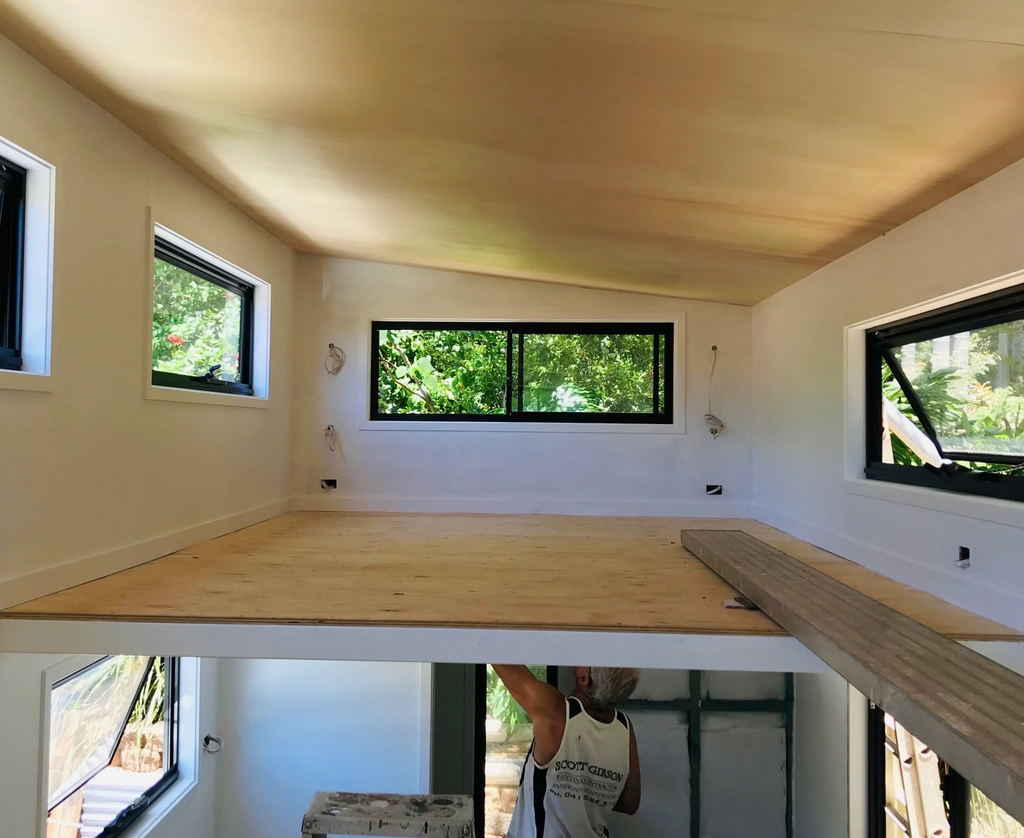
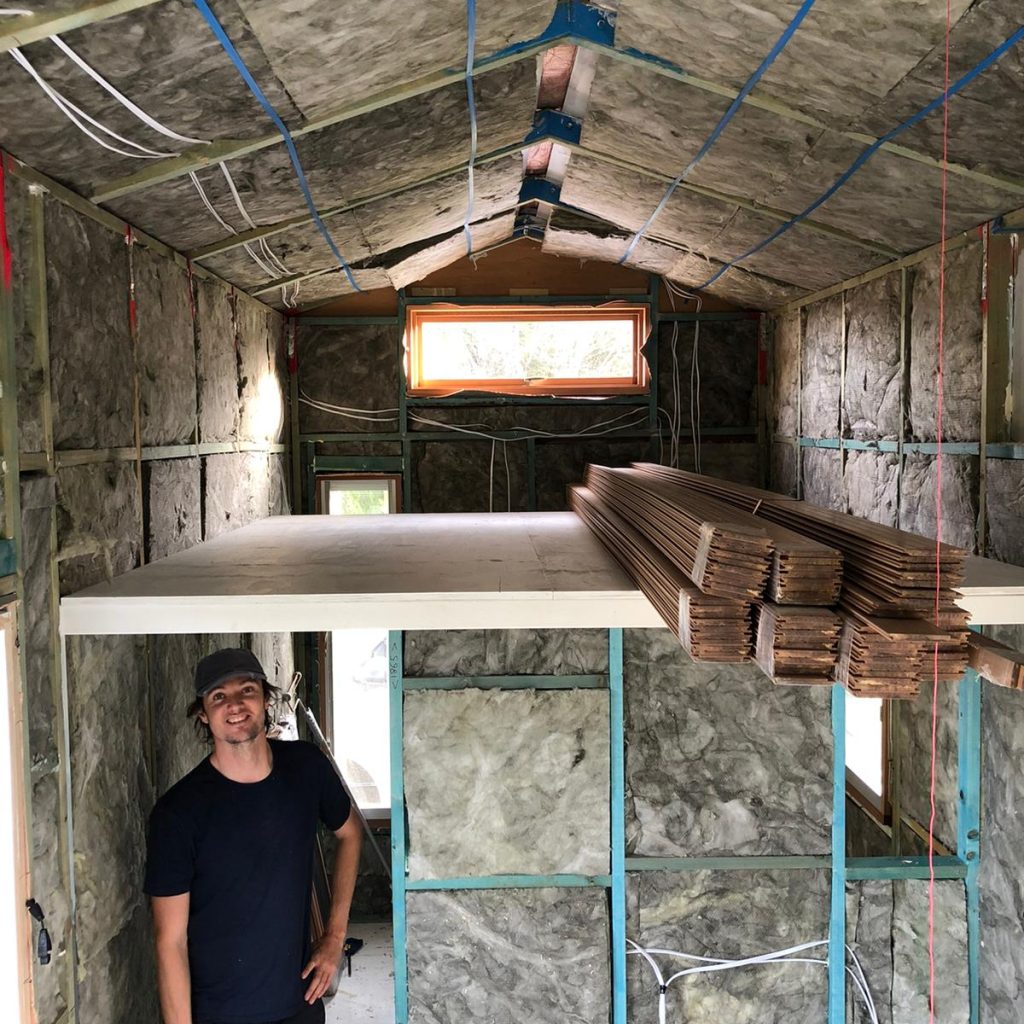
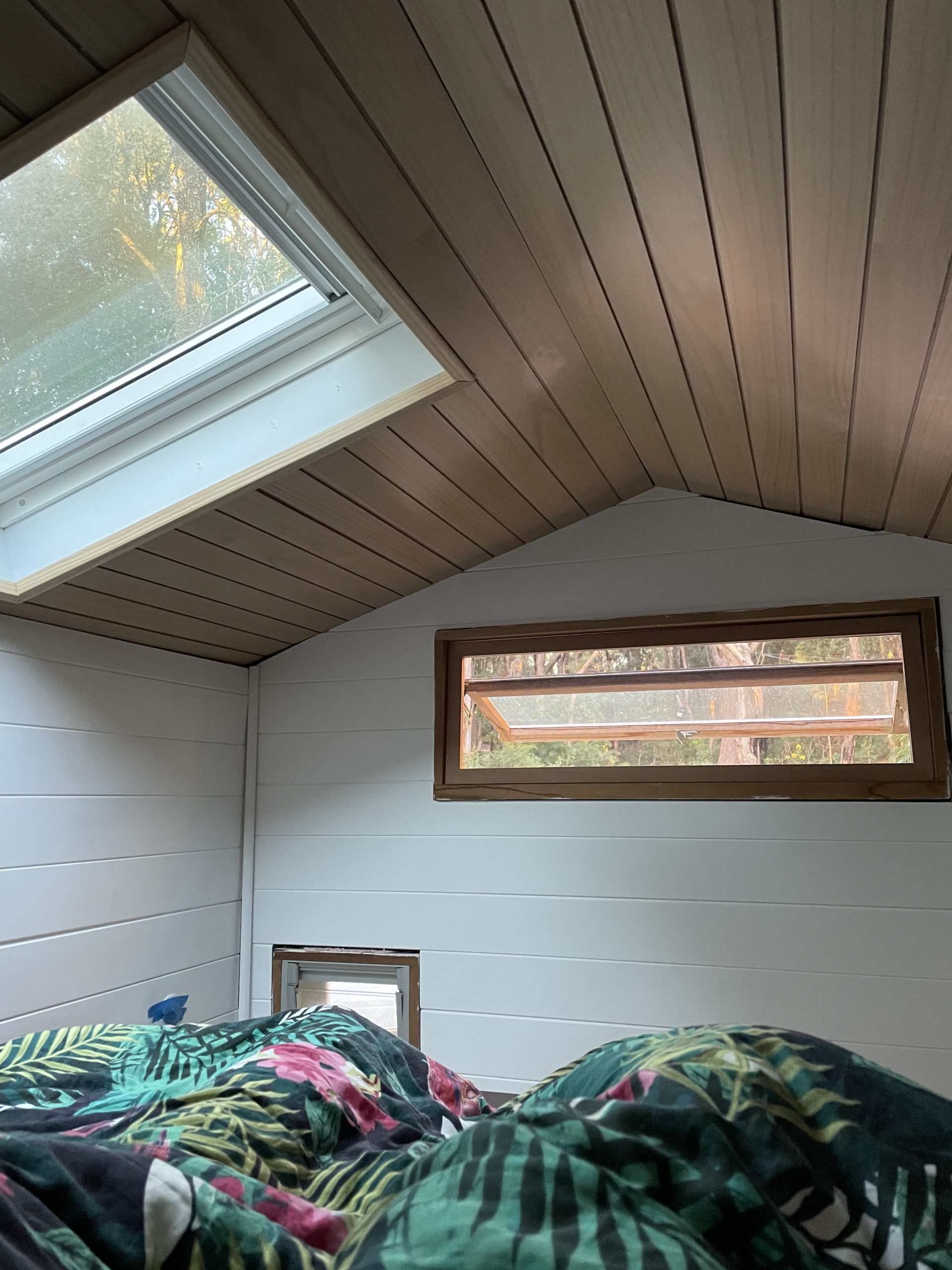
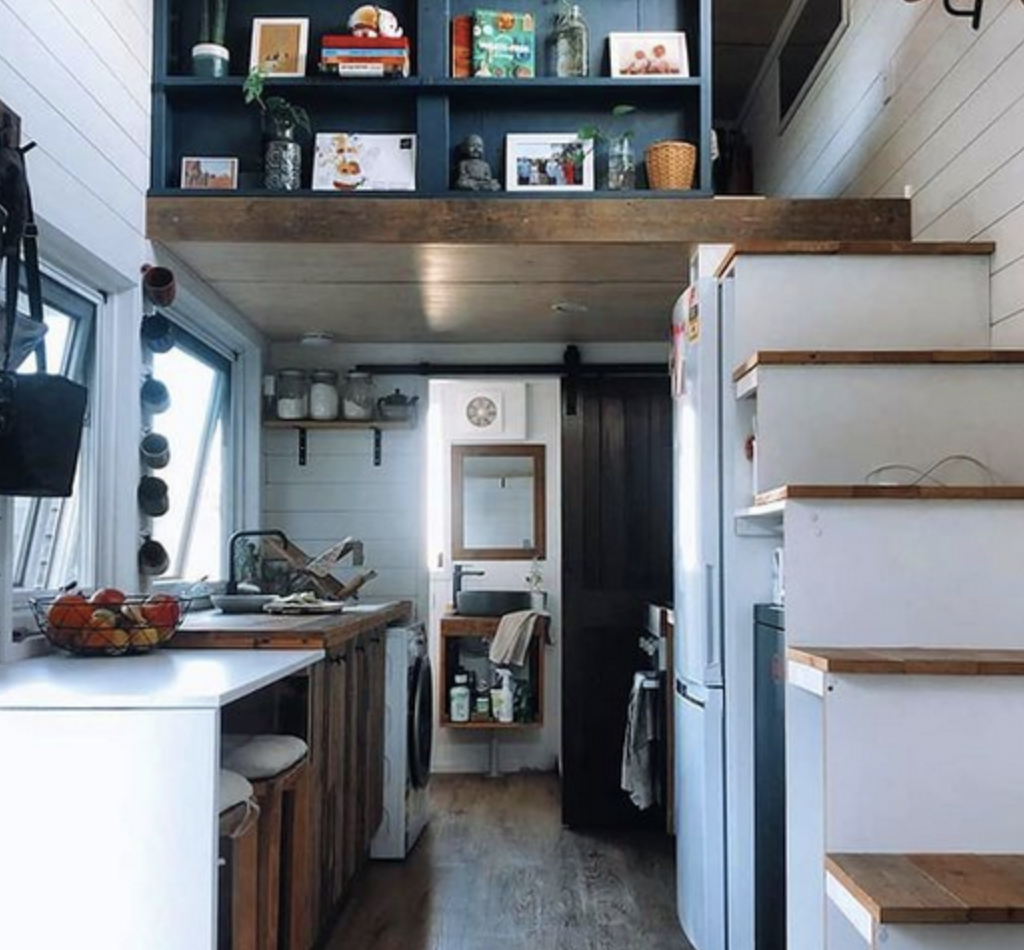
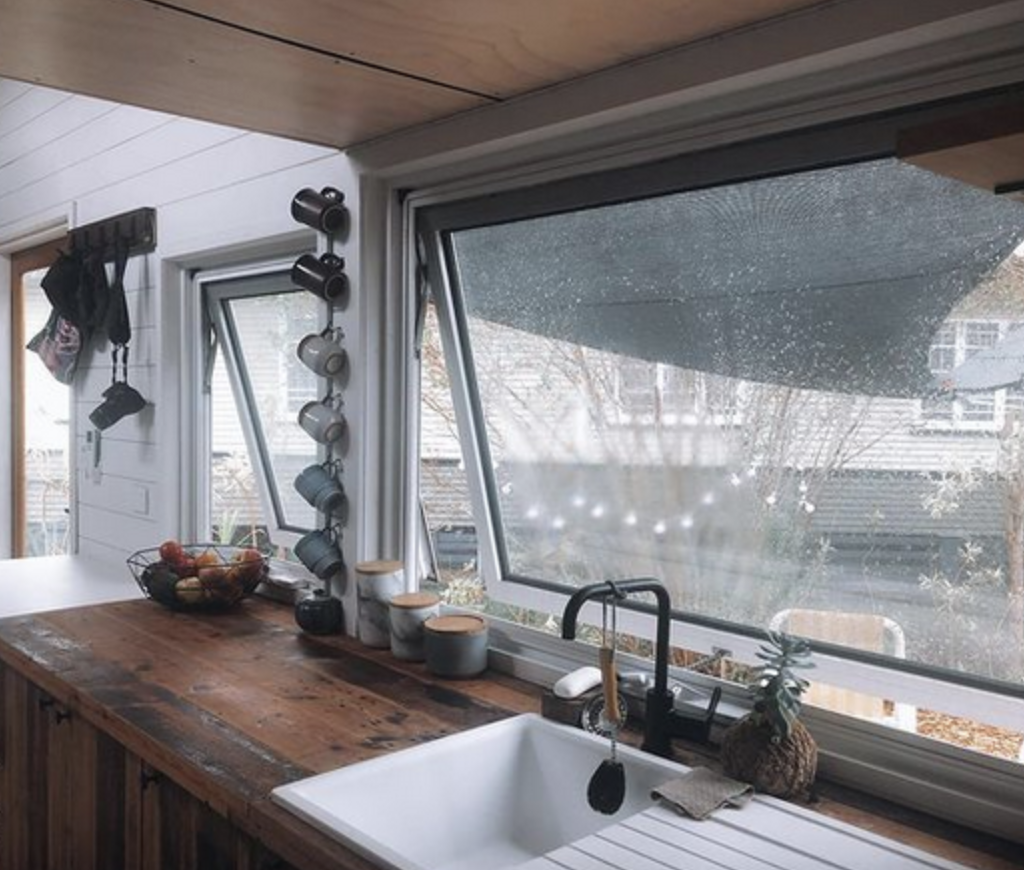
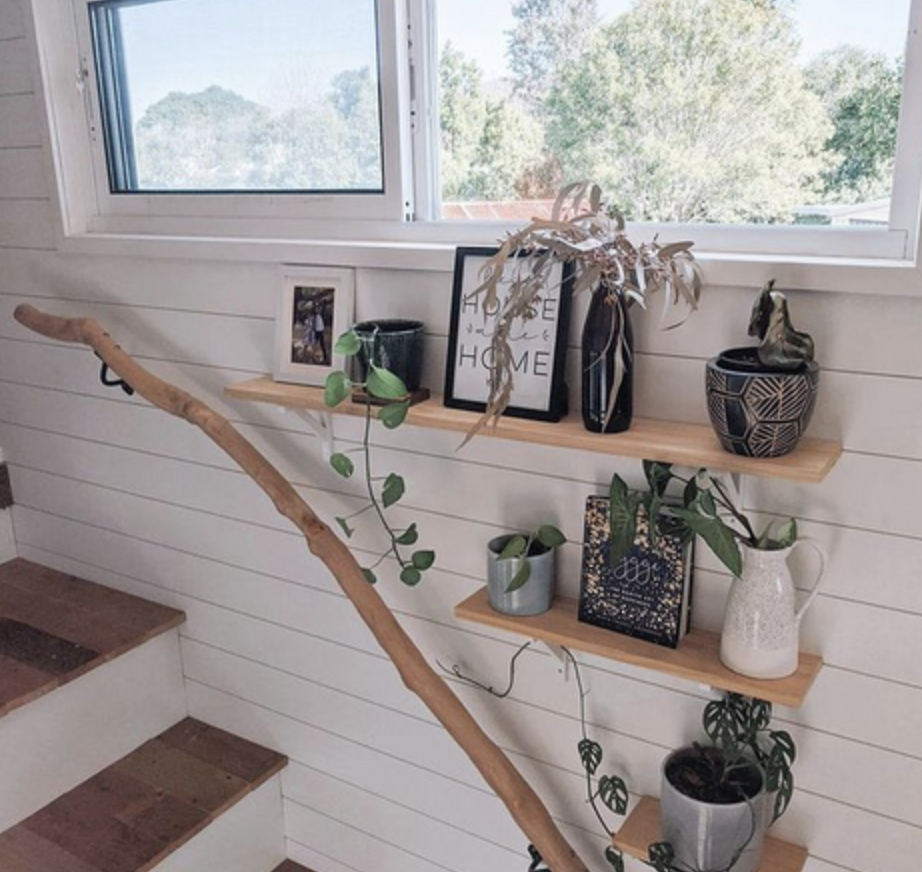
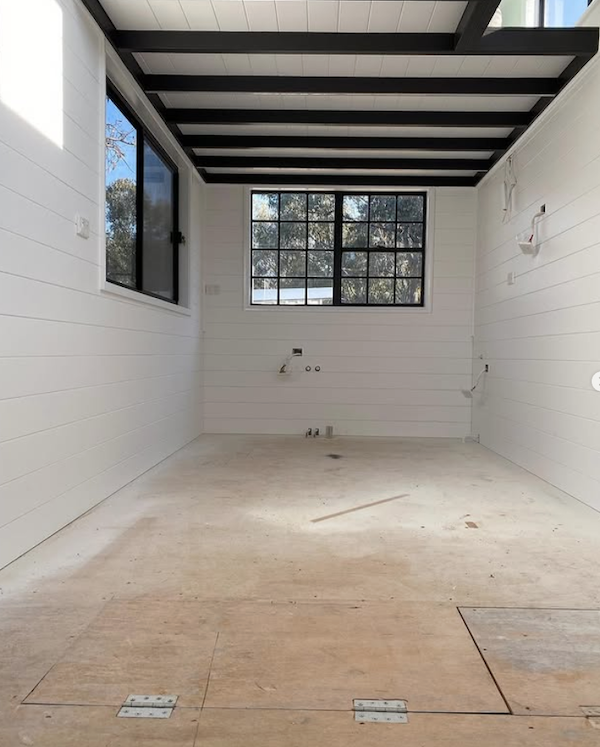
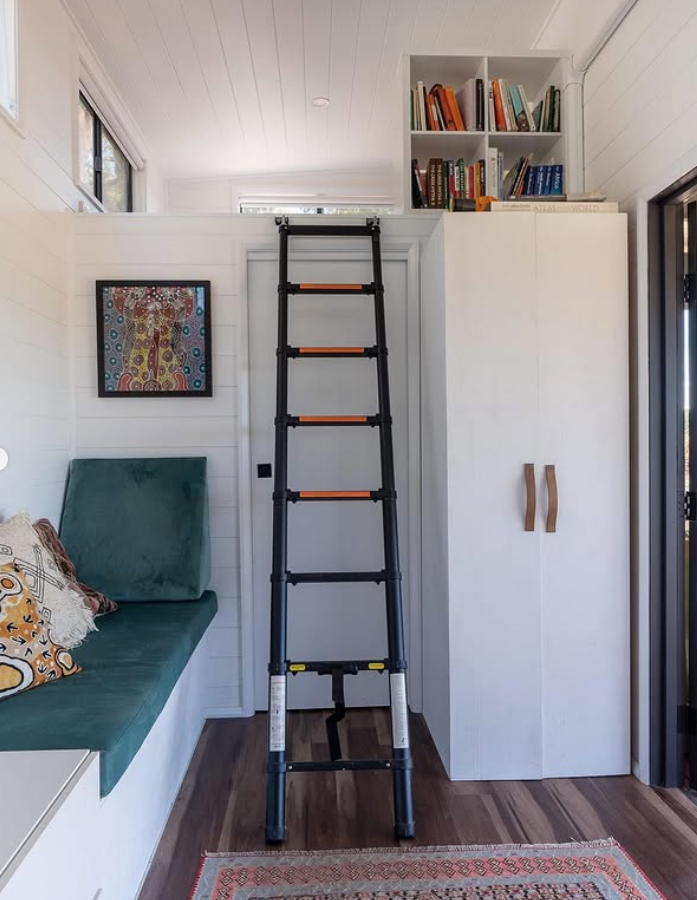
Similarly, reclaimed windows shaped more than just the look of the house—they dictated the structure itself. The height of those windows determined the loft height, ultimately leaving Aaron with less space than he would have liked.
In a conventional build, these compromises might be manageable.
In a tiny house, every millimetre matters.
“There’s No Escape in a Tiny House”
Tiny house living is often romanticised as simple, peaceful, and freeing.
And it can be.
But it also comes with a level of intensity that’s hard to understand until you experience it.
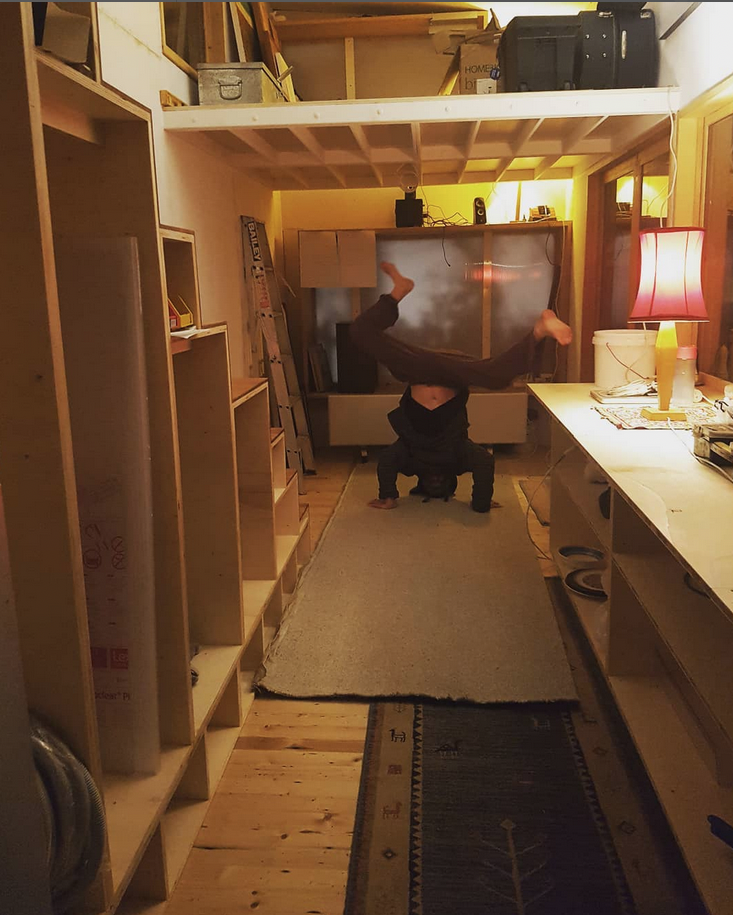
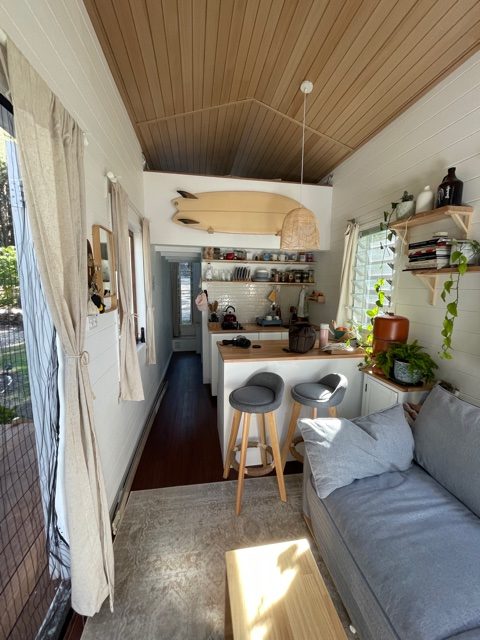
“There’s no escape in a tiny house. In every room you are in that same room.”
It’s a simple statement—but it captures one of the most overlooked aspects of tiny living.
Space isn’t just physical. It’s emotional. Psychological. Relational.
And over time, that reality shapes how people use—and adapt—their homes.
From Tiny House to Expanding Home
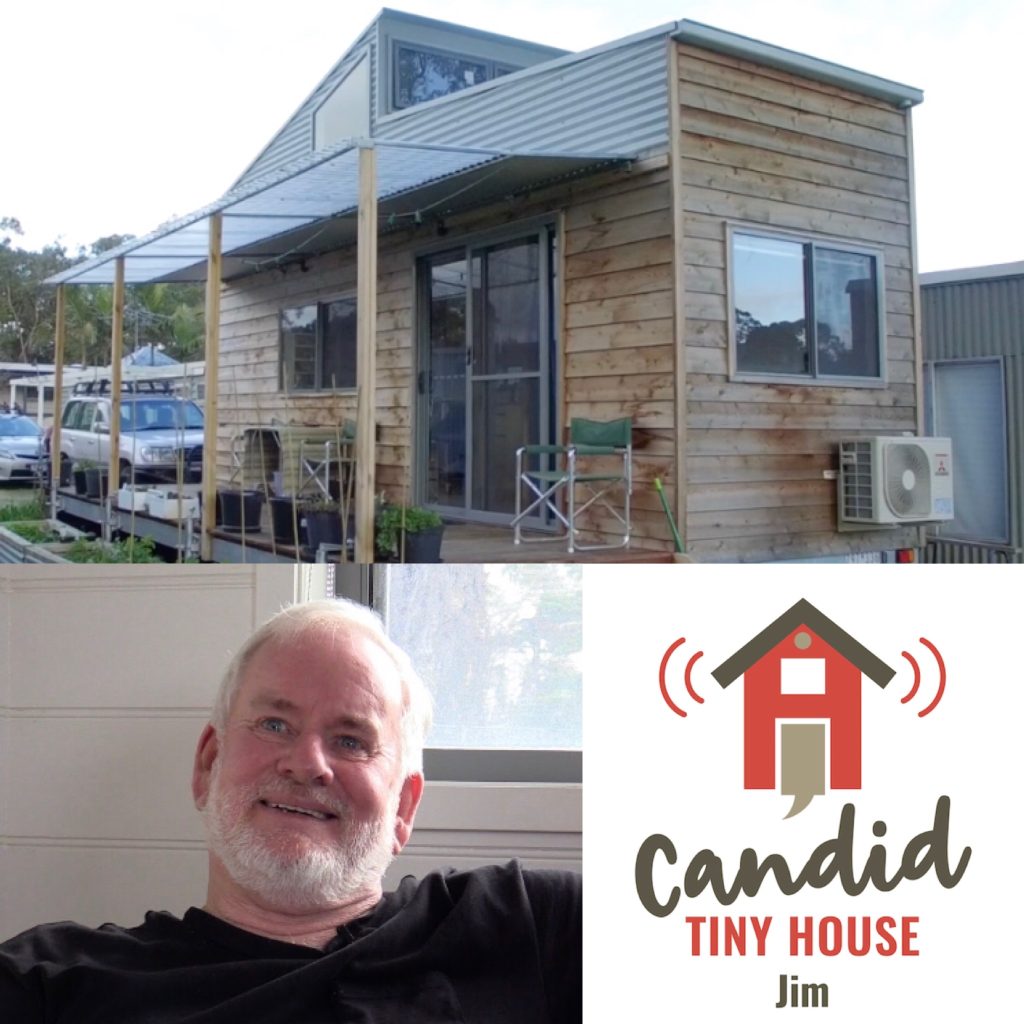
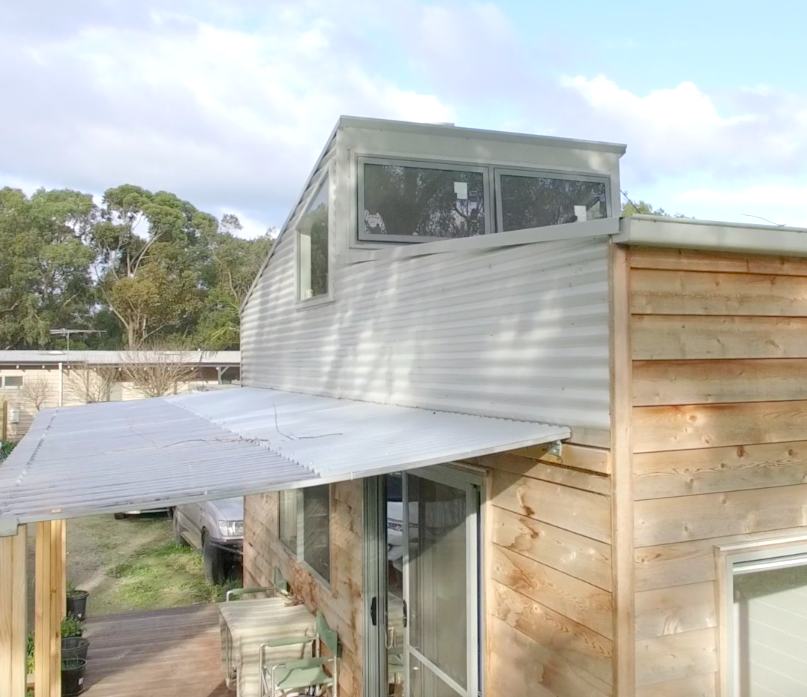
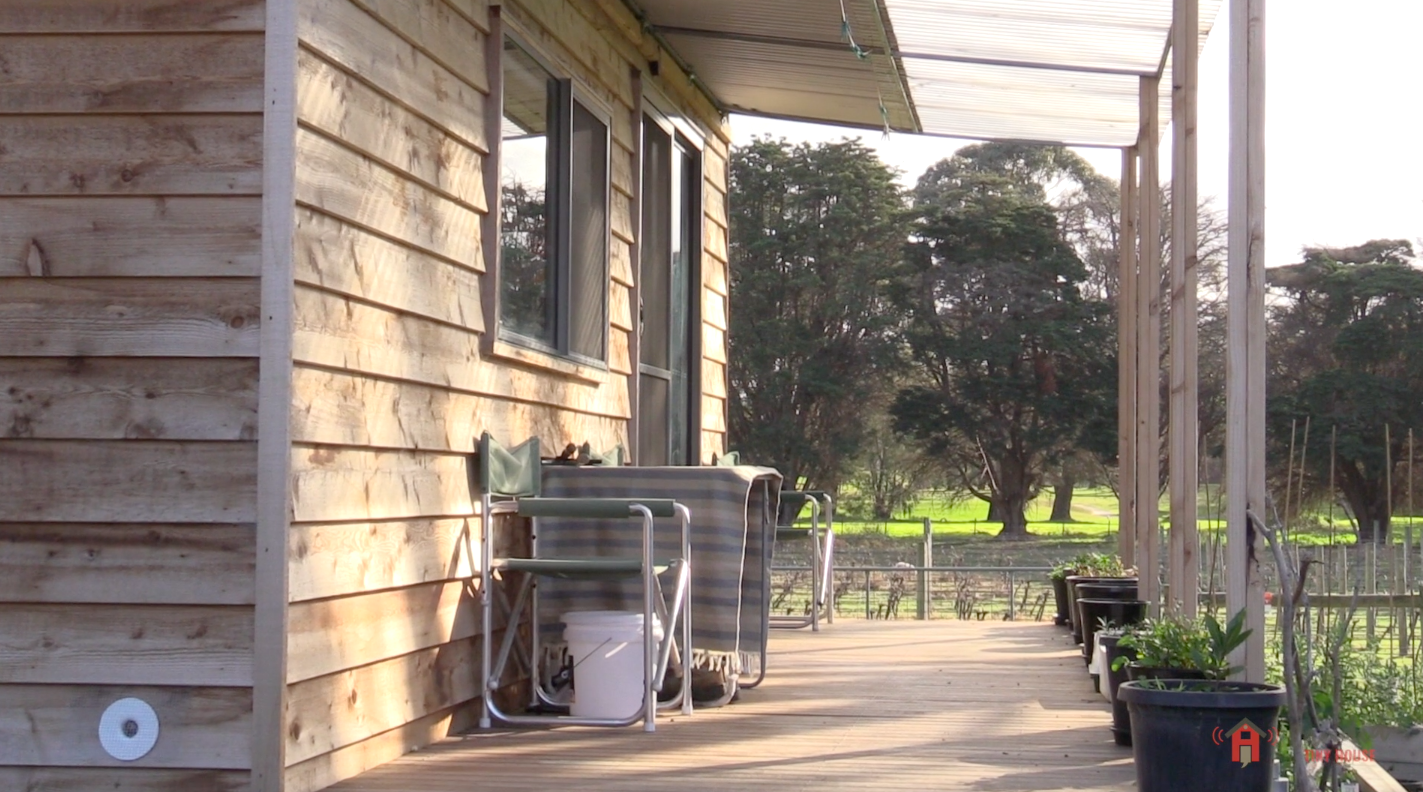
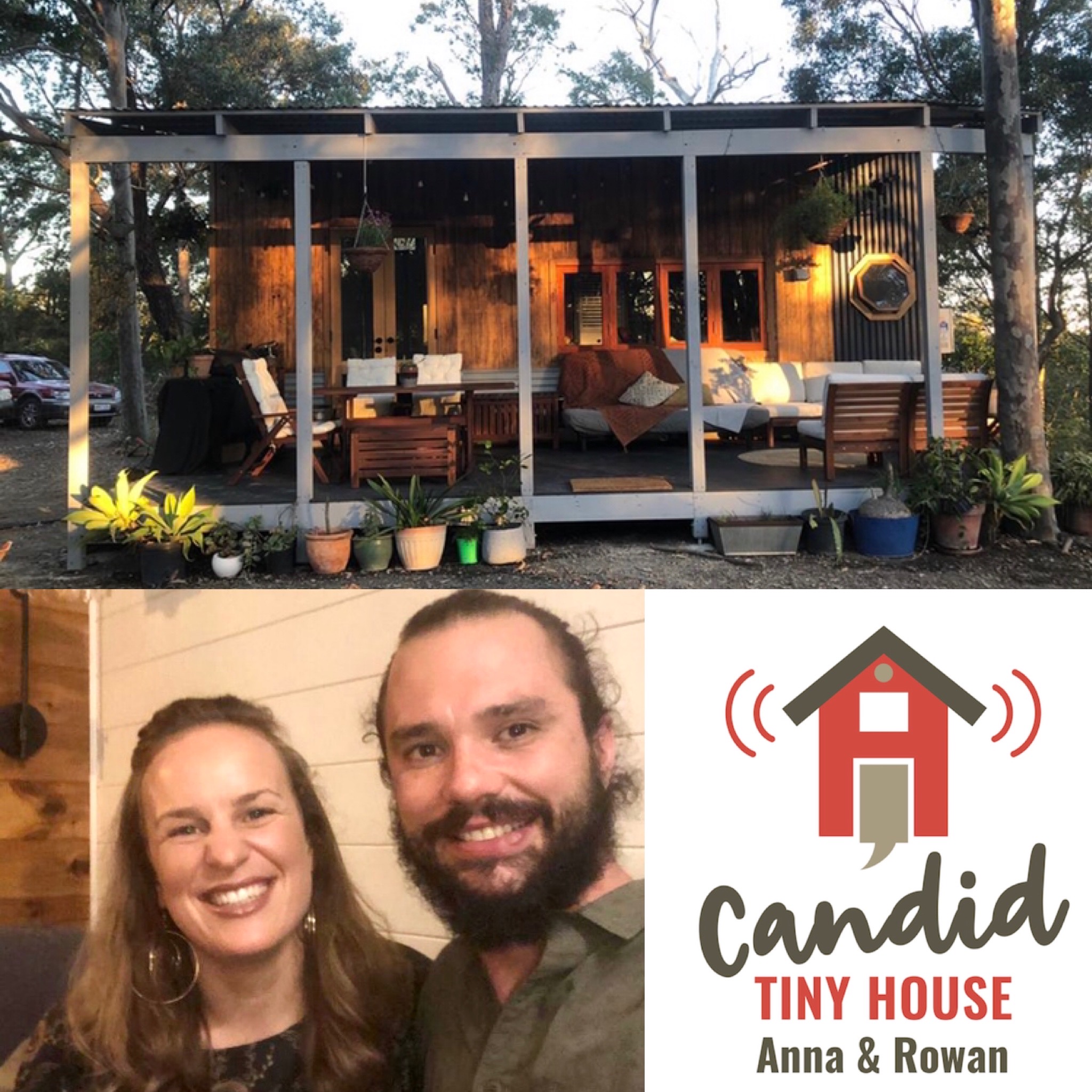
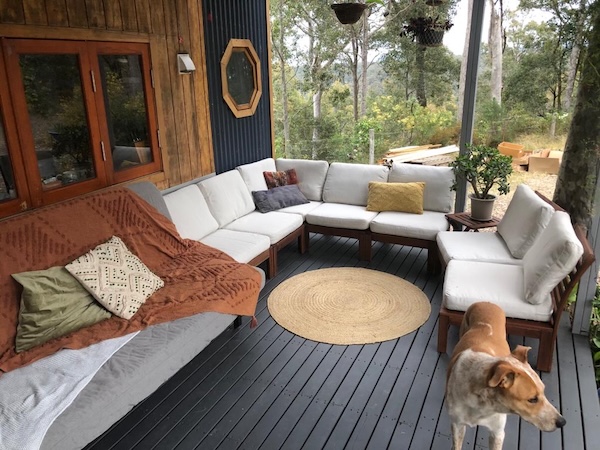
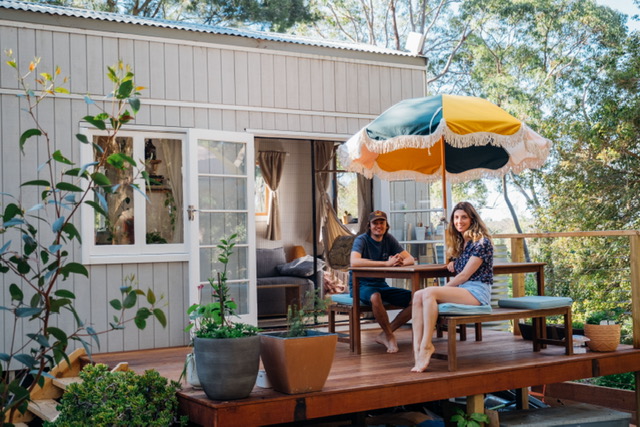
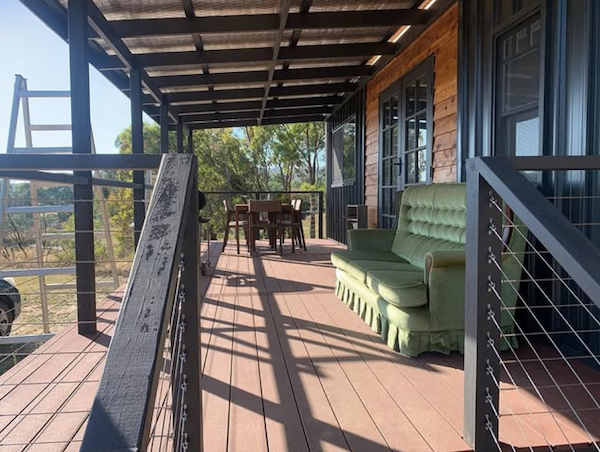
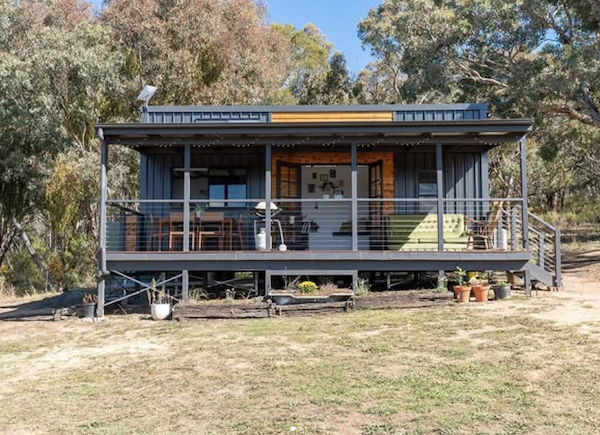
After completing their build and living in it for a while, Aaron and Amanda built a deck and then they roofed it.
And in doing so, they didn’t just add outdoor space—they fundamentally changed the performance of their tiny house.
“We noticed when we first moved down here—we have a deck on the house now with a roof, which is shading quite a lot of the house from the, because we’re north facing, from that northern sun, and that deck has cooled the house down tremendously. But before that we were just getting baked. And because our house is monument so it’s dark anyway and it’s drawing heat, we were really, really hot.”
In the Australian climate, this kind of adaptation isn’t just about comfort—it’s about livability.
Dark external cladding, like Monument, can absorb significant heat. Without adequate shading, tiny houses can quickly become uncomfortably hot, especially in summer.
The addition of the deck—and crucially, the roof—created shade, reduced heat gain, and introduced a new kind of living space that extended beyond the trailer itself.
Building Together
Behind every stage of the build was a quiet but powerful factor: support.
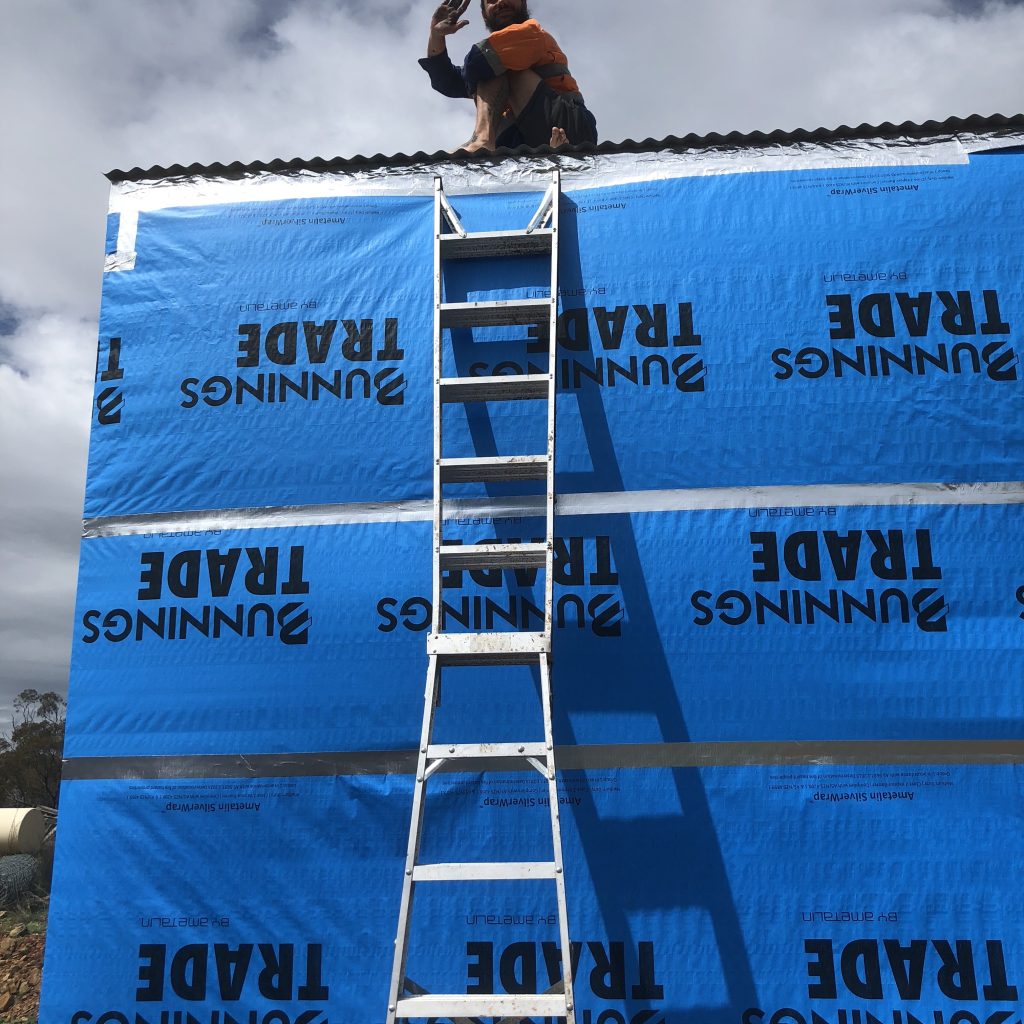
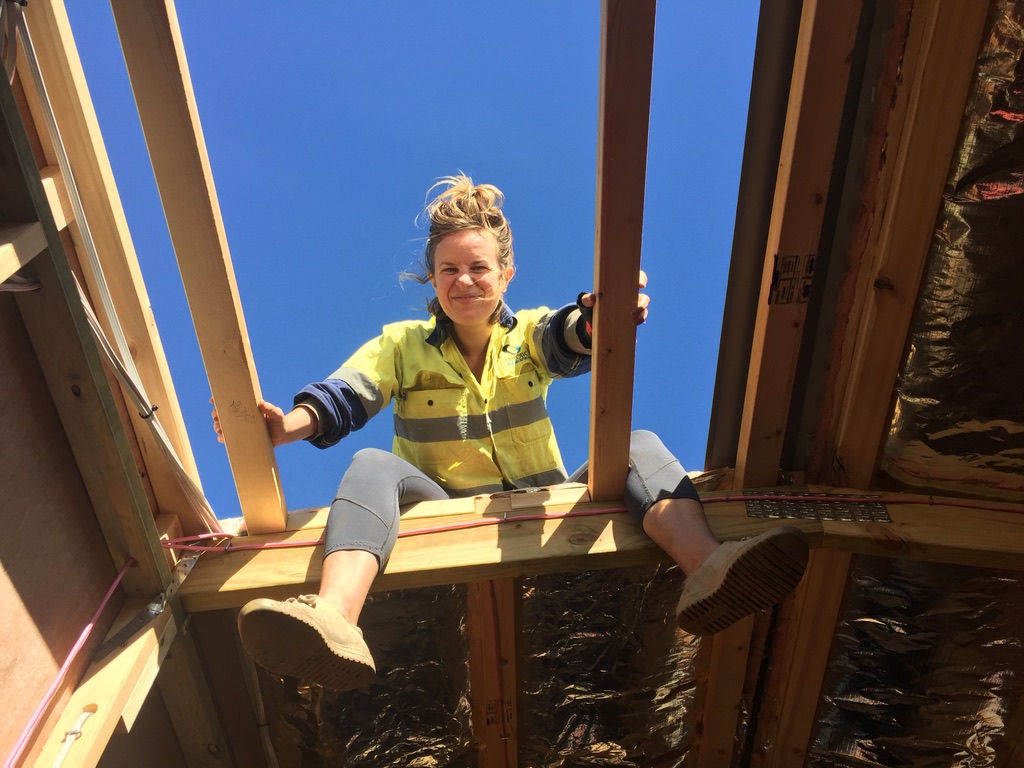
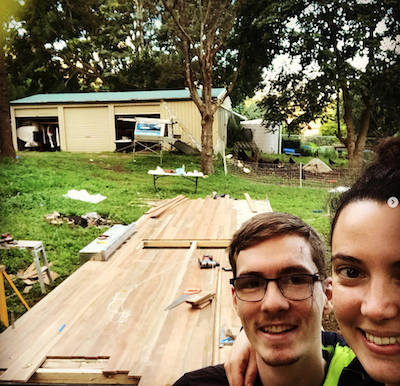
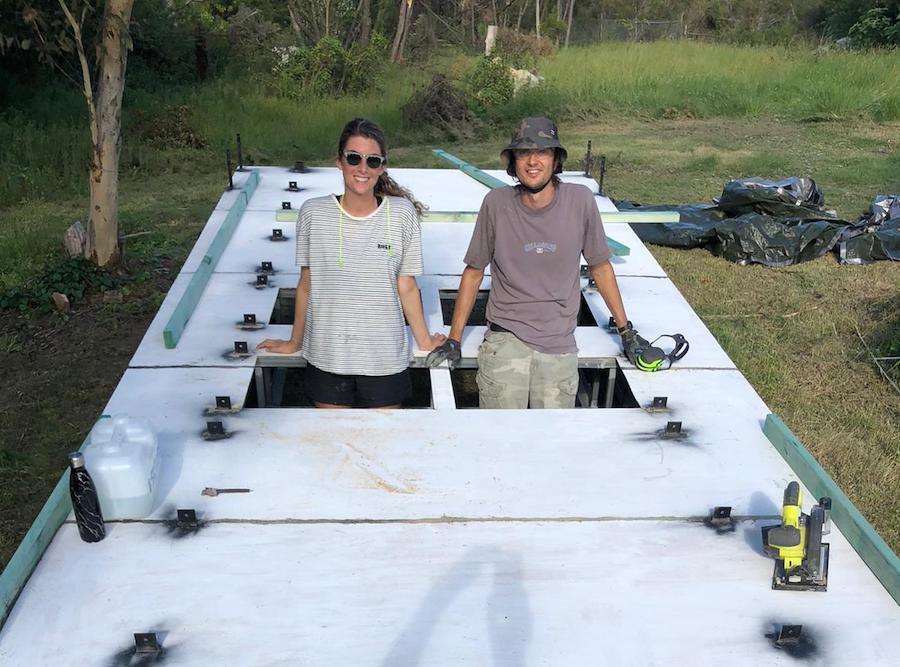
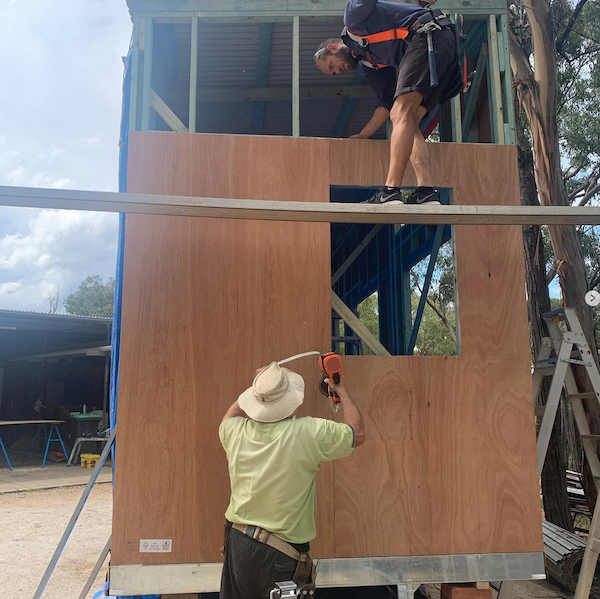
“My father is a licensed builder so that helps, straight off the bat, and the ability to be able to build it on family property, that was another huge help… And there are a lot of tasks that just require two people. You can’t do it by yourself. And when you’re at heights, it’s even more dangerous, so he was a massive help.”
Tiny house builds are often portrayed as solo projects.
But in reality, they’re rarely done alone.
Whether it’s lifting walls, installing roofing, or simply staying safe on site, having another set of hands—and someone you trust—can make all the difference.
A Tiny House That Keeps Changing
Three years on, Aaron and Amanda are still living in their tiny house—but the building hasn’t stopped.
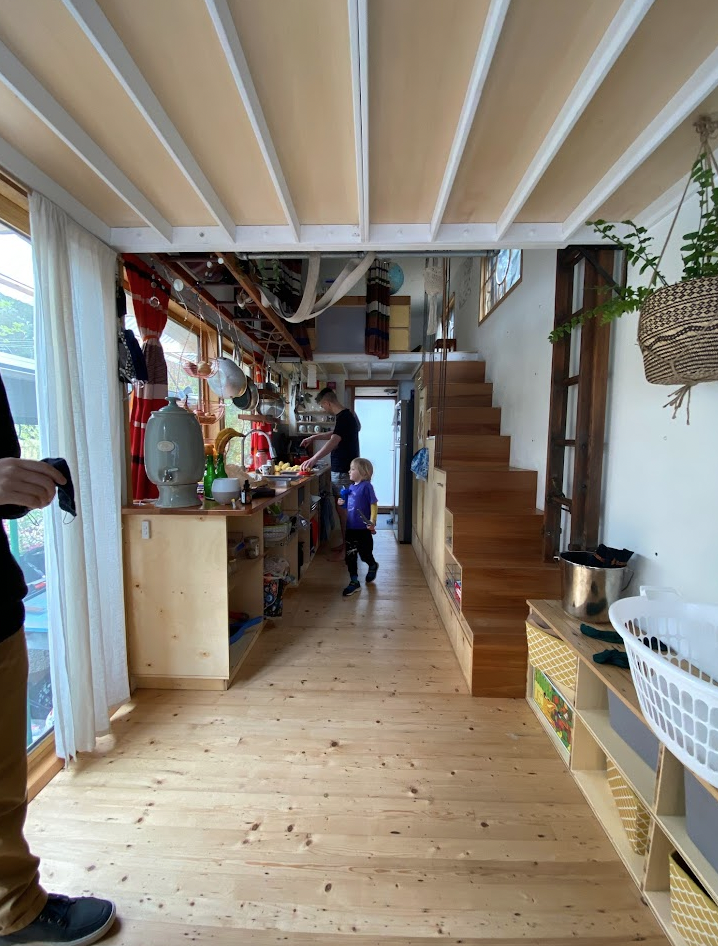
Like many tiny houses, it didn’t reach a final, finished state and stay there. It kept evolving. Adjusting to the climate. Responding to what worked—and what didn’t. Growing alongside the family living in it, and expanding to accommodate them!
Because this is the part of the tiny house journey that rarely makes it onto social media—the long-term reality. The iterations. The refinements that only come after years of living in a small space.
And to see where their tiny house has landed now…
You’ll need to watch the episode, above.
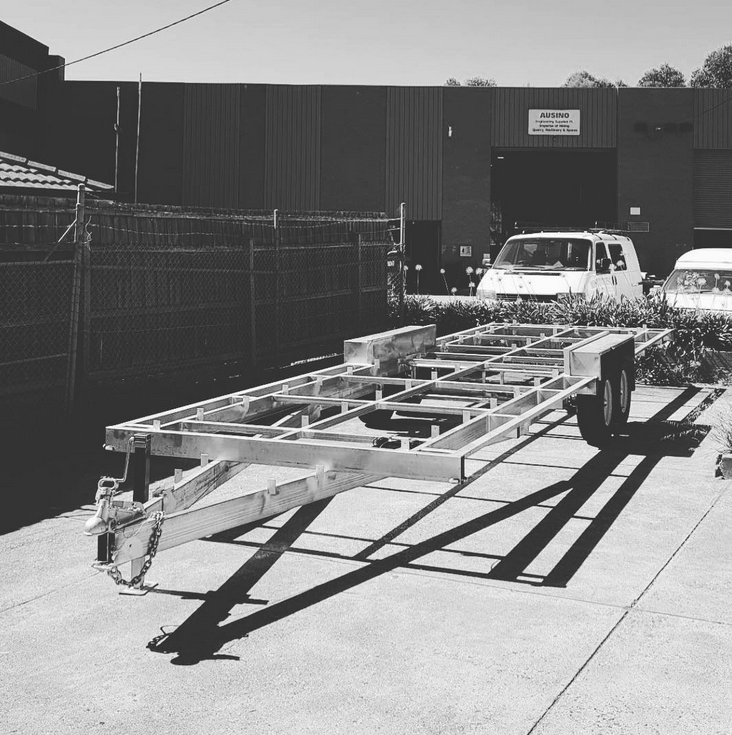
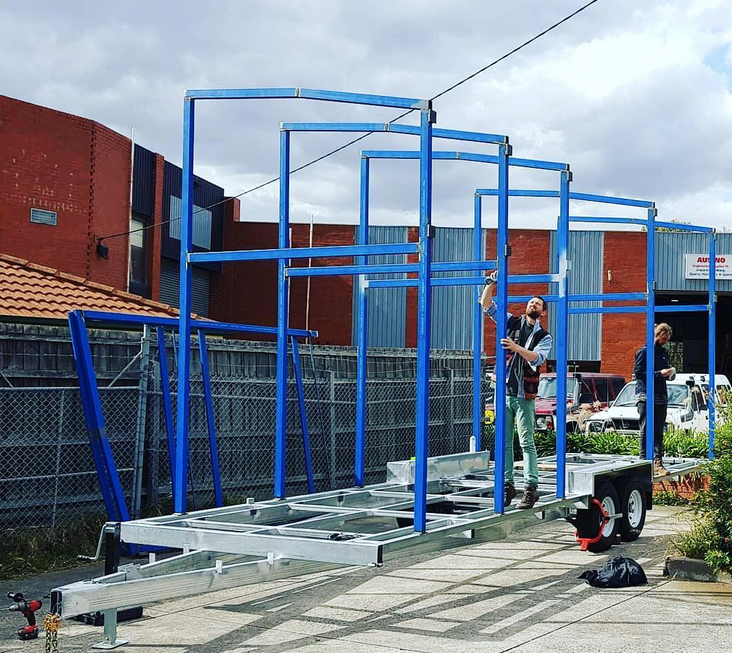
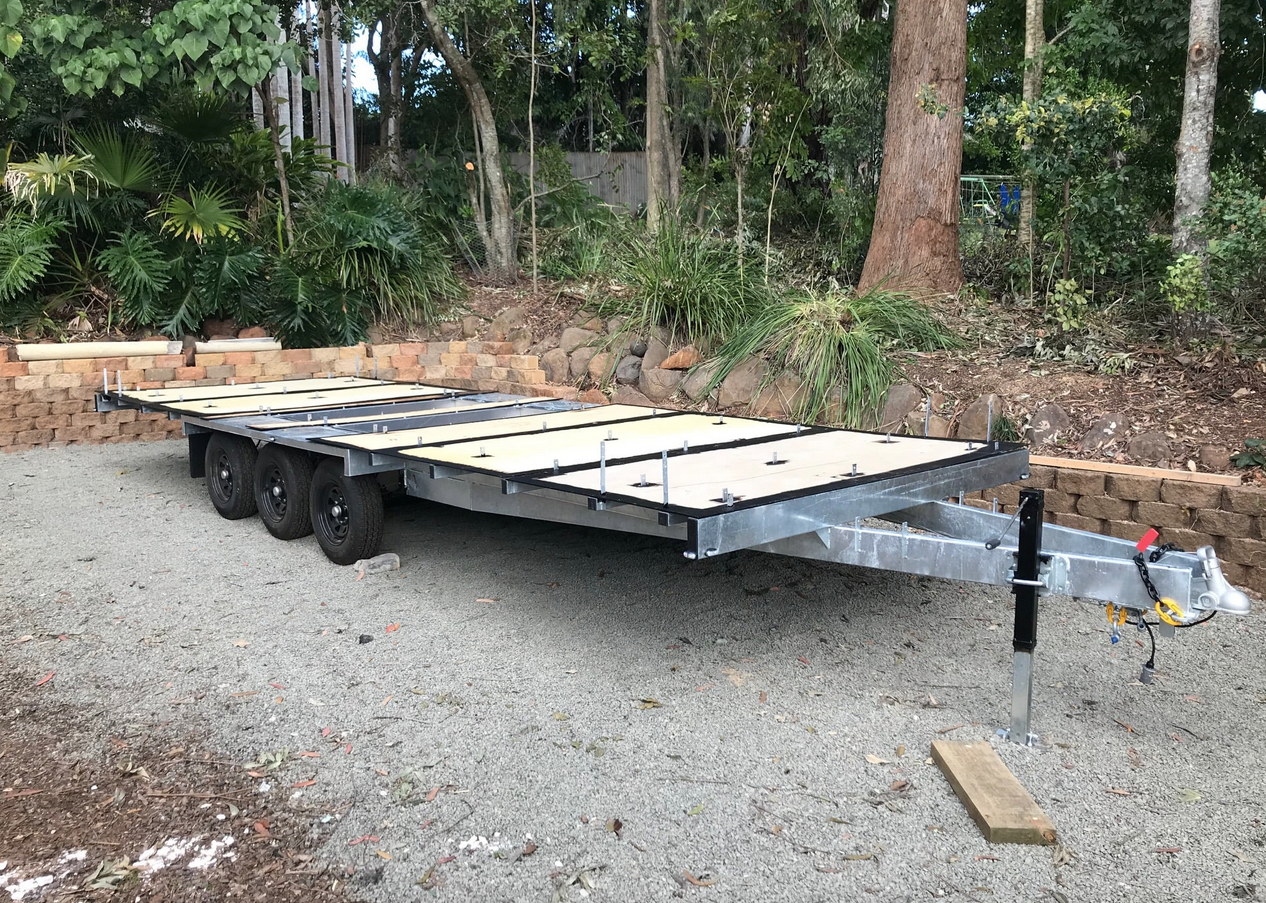
Trailer Details
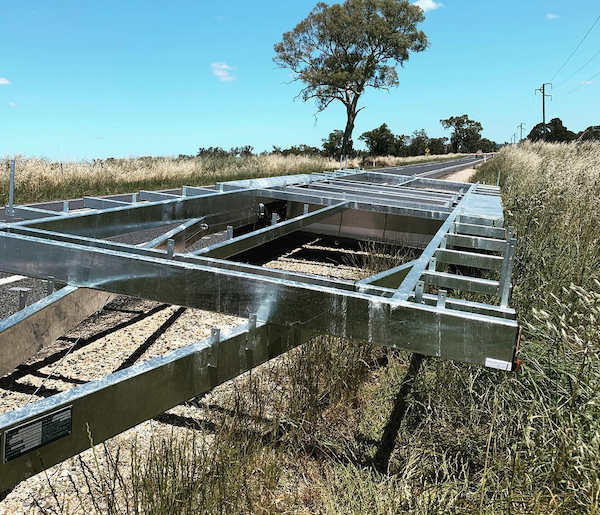
- Length: 8 meters
- Width: Standard 2.4 meters wide
- Style: Flat Top
- Finish: Hot Dip Galvanized
- Build Period: 2 Years
- Build: DIY from Builder, Carpenter
You can do this too!
Aaron & Amanda started their tiny house building journey by taking How To Build A Tiny House – The Australian Online Course with at Tiny House University.
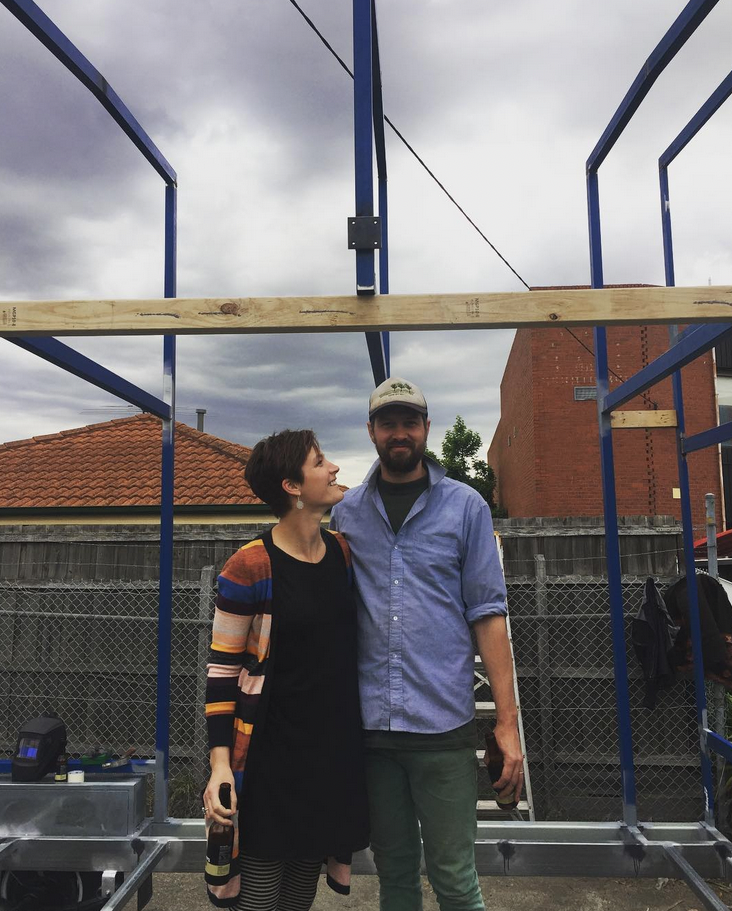
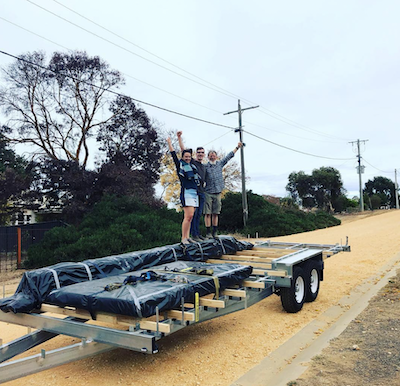
They took all the knowledge that they gained in that course and bought a Fred’s Tiny House Trailer. They then DIY built their tiny house on wheels on Aaron’s father’s property, where they still live.
Start here: