Nick
Candid Tiny House Podcast E3, S3
From Mortgage Stress to Freedom: How Nick Rebuilt His Life in a Tiny House on Wheels
For many Australians, home ownership is seen as the ultimate milestone—a symbol of stability, success, and security. But for Nick, that dream slowly turned into something else entirely: financial pressure, lifestyle compromise, stressed out dogs, and a growing sense that something wasn’t working.
His journey into tiny house living wasn’t driven by aesthetics or trends. It was driven by necessity—and ultimately, a desire for a better way to live.
When the “Dream” Stops Working
Like many first-time buyers, Nick entered the property market with a plan: make it work financially. To stay afloat, he turned to Airbnb, sharing his apartment to help cover the mortgage.
But when lockdowns hit, that strategy disappeared overnight.
Suddenly, the apartment had to function as a home again—not a revolving door of short-term guests. And Nick discovered that life felt better without the constant flow of strangers.
At the same time, the realities of inner-city living became harder to ignore. Noise, density, and stress weren’t just affecting him—they were affecting his dogs too.
That’s when things came to a head:
“I gotta figure out something else because this apartment… I’m not having fun. My dogs are not having fun in Southbank. And I think around 2022 it’s when there were rumors about interest rates going up. I was like – I could barely pay the mortgage as it is, and that was kind of the straw that broke the camels back, so to speak. So I thought, okay, I’ve actually got to do it. I’m actually gonna sell my apartment and then get a tiny house for myself.”
Letting Go of the “Normal” Path
Moving from a conventional apartment to a tiny house on wheels isn’t just a financial decision—it’s a psychological one.
Nick had to confront something many people feel but rarely question: the expectation of how life is “supposed” to look.
“I think it was kind of a necessity in a way, that I was forced into it, but also I think for me was giving up that sort of a social expectation that this is how you’re supposed to live, you know, living an apartment or living in a house. This is how you supposed to live. I think having that mindset-shift was was a big part of it…”
This mindset shift is often one of the biggest—and least discussed—barriers to tiny house living in Australia. It’s not just about downsizing space; it’s about redefining success.
The Biggest Barrier: Council Uncertainty
For many aspiring tiny house owners, one concern outweighs all others: Where can I legally put it?
Nick’s experience reflects what so many Australians face. He first discovered tiny houses on wheels in 2019—but didn’t act for three years.
The reason? Council uncertainty.
“For me, I think that’s the biggest thing that stopped me from pulling that trigger when I knew that tiny houses exist in 2019. It took me three years… the idea was in and out of my head, and that uncertainty of ‘how am I gonna find a place, or a permanent place, where I can just live there without ever getting kicked out by a council?’ I think that was for me was the biggest thing that took me three years to accept the risk that that could happen. I think it was accepting that risk.”
This hesitation is incredibly common. In Australia, tiny houses on wheels sit in a grey area—regulated differently depending on local council interpretations, land use rules, and whether the home is classified as a vehicle or a dwelling.
For Nick, the turning point wasn’t finding certainty—it was accepting that certainty might not exist.
Navigating the Unknowns
Once Nick made the decision, the journey didn’t suddenly become simple—but it did become actionable.
He chose to work with a professional builder, rather than taking the DIY route, and moved through the process of:
- Selecting a design that would suit long-term living
- Organising transport and delivery of the tiny house
- Finding a suitable place to park it
- Exploring insurance options
- Transitioning to off-grid living for the first time.
Like many new tiny house owners, he had to learn how to manage his energy use, understand his electrical loads, and adapt to a completely different rhythm of living.
There was also a deeper shift—moving from the city to the country.
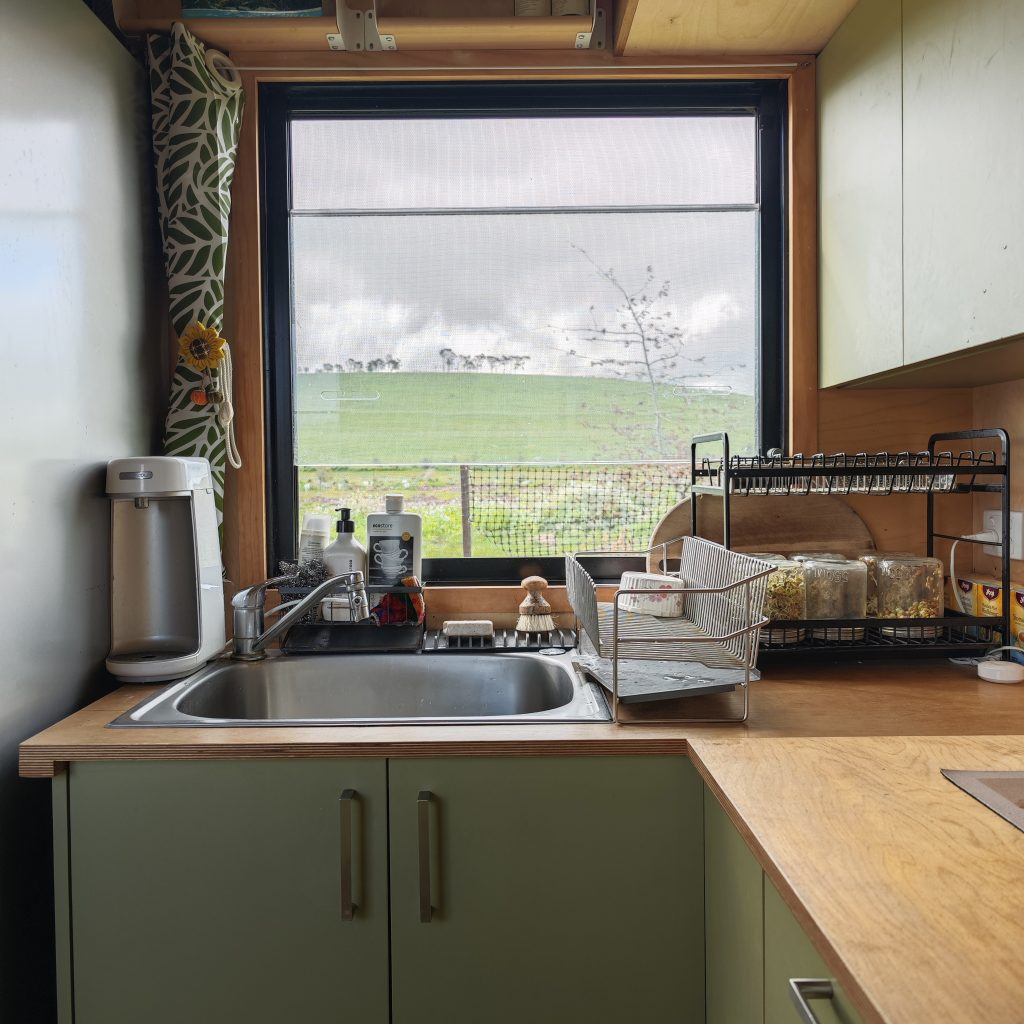
This wasn’t just about location; it was about lifestyle. Space, quiet, and a more grounded daily experience—all of which had a noticeable impact on his wellbeing, and that of his two rescue dogs.
A Life That Finally Feels Right
Years on, Nick’s reflection is simple—but powerful.
“I couldn’t be happier to be honest! I just wish I had done it earlier. That’s probably the only thing, if I could manage that discomfort of uncertainty, then I would have done it sooner, and then I would have been able to enjoy it earlier, but that’s the only thing that I regret. “
It’s a sentiment echoed by many in the tiny house community: the hardest part isn’t the build, the move, or even the adjustment.
It’s stepping into the unknown.
What Nick’s Story Shows
Nick’s journey highlights something essential for anyone considering a tiny house on wheels in Australia:
- Financial pressure can be a powerful catalyst for change
- Council uncertainty is real—but not always a dealbreaker
- You don’t have to build it yourself to make it work
- Off-grid living is a learning curve—but a manageable one
- The rewards—financial, emotional, and lifestyle—can be significant
Most importantly, it shows that tiny house living isn’t just about downsizing.
It’s about reclaiming control—over your finances, your environment, and your day-to-day life.
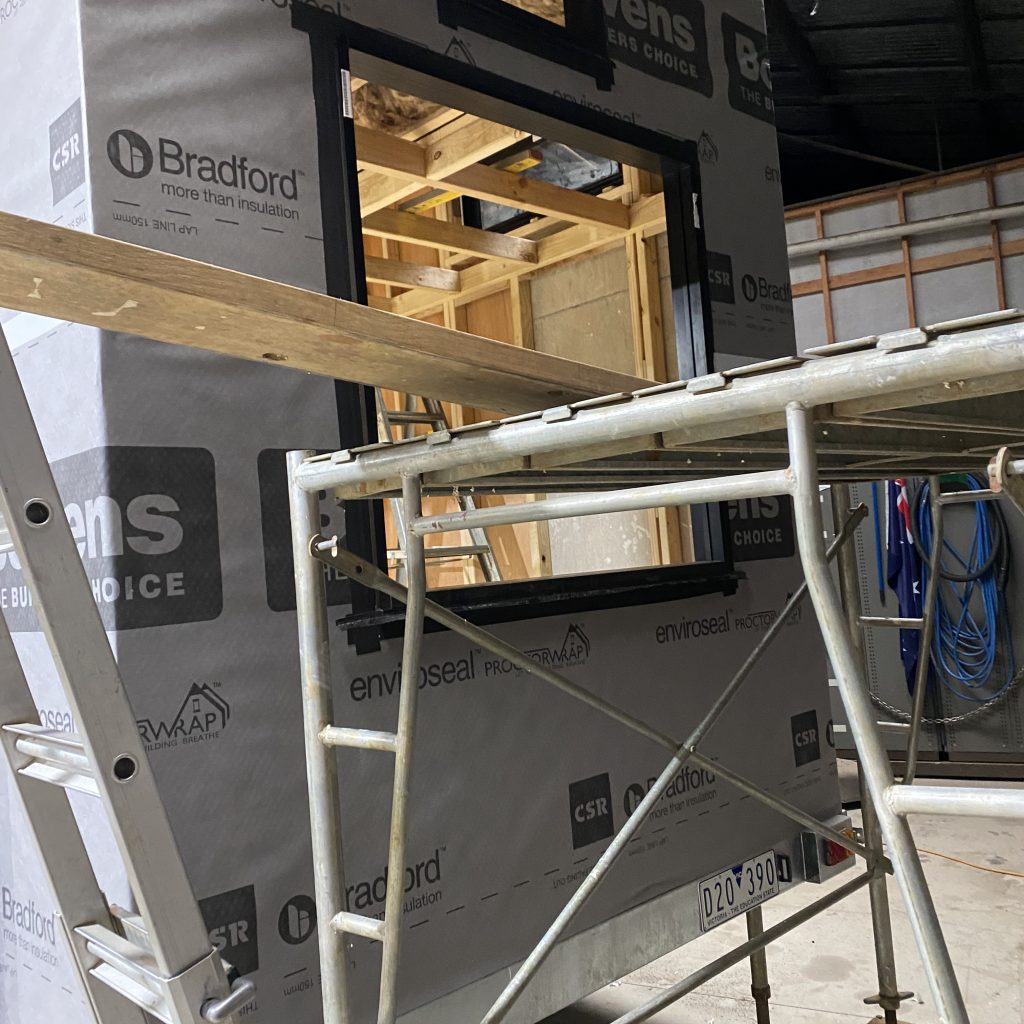

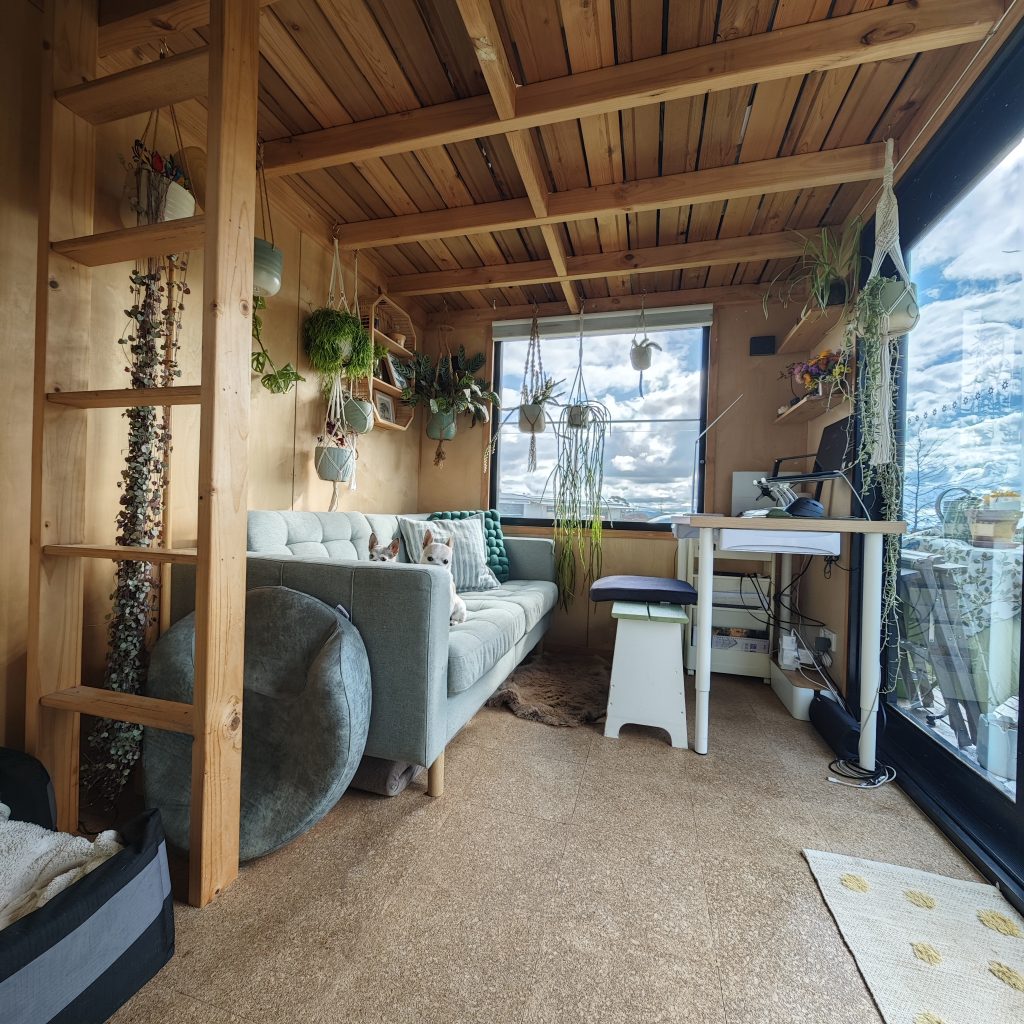
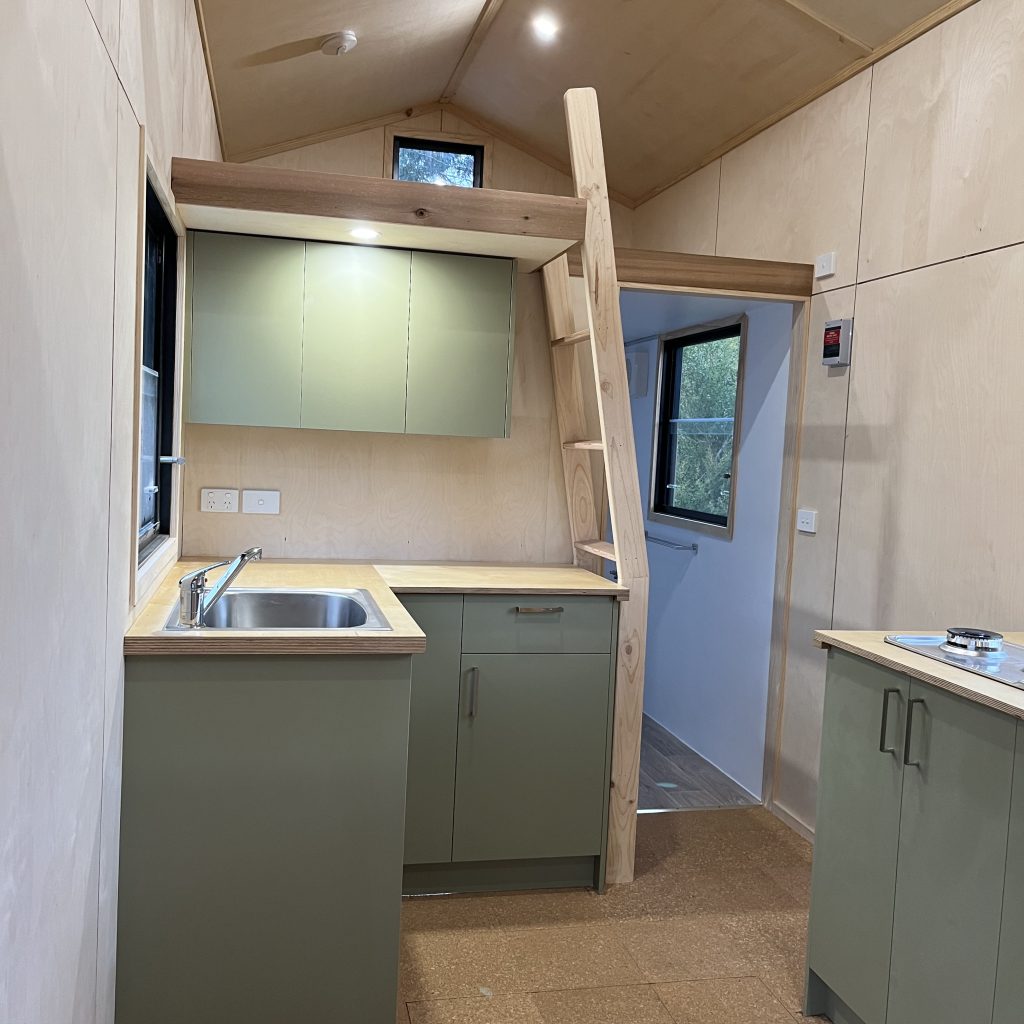


Trailer Details
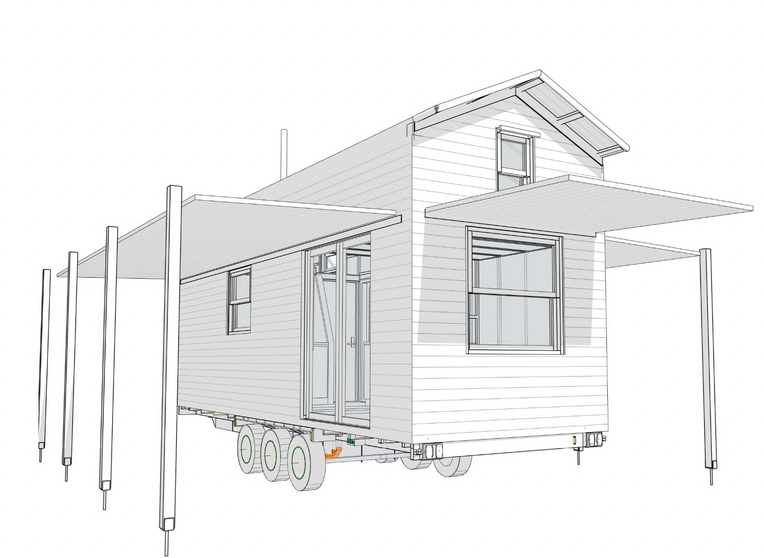
- Length: 7.2 meters
- Width: Option C: 2340mm wide
- Style: Flat Top
- Finish: Hot Dip Galvanized
- Build Period: 12 weeks
- Hybrid Build: Professional Builder: Andy Goy
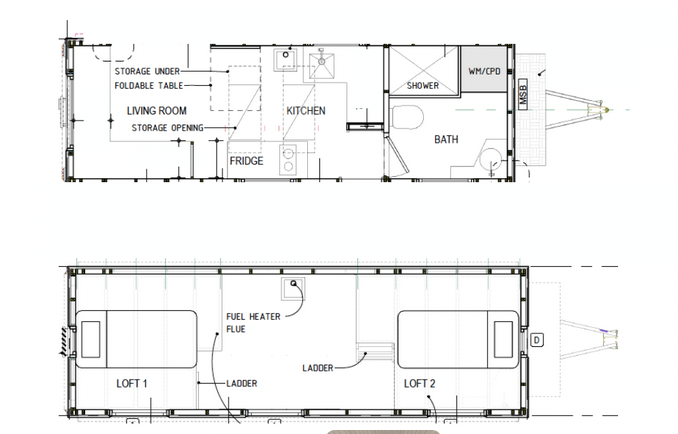
- Plans: 7.2 Tiny House Plans
You can do this too!
Nick started his tiny house building journey by having a consultation with Shannon and taking How To Build A Tiny House – The Australian Online Course.
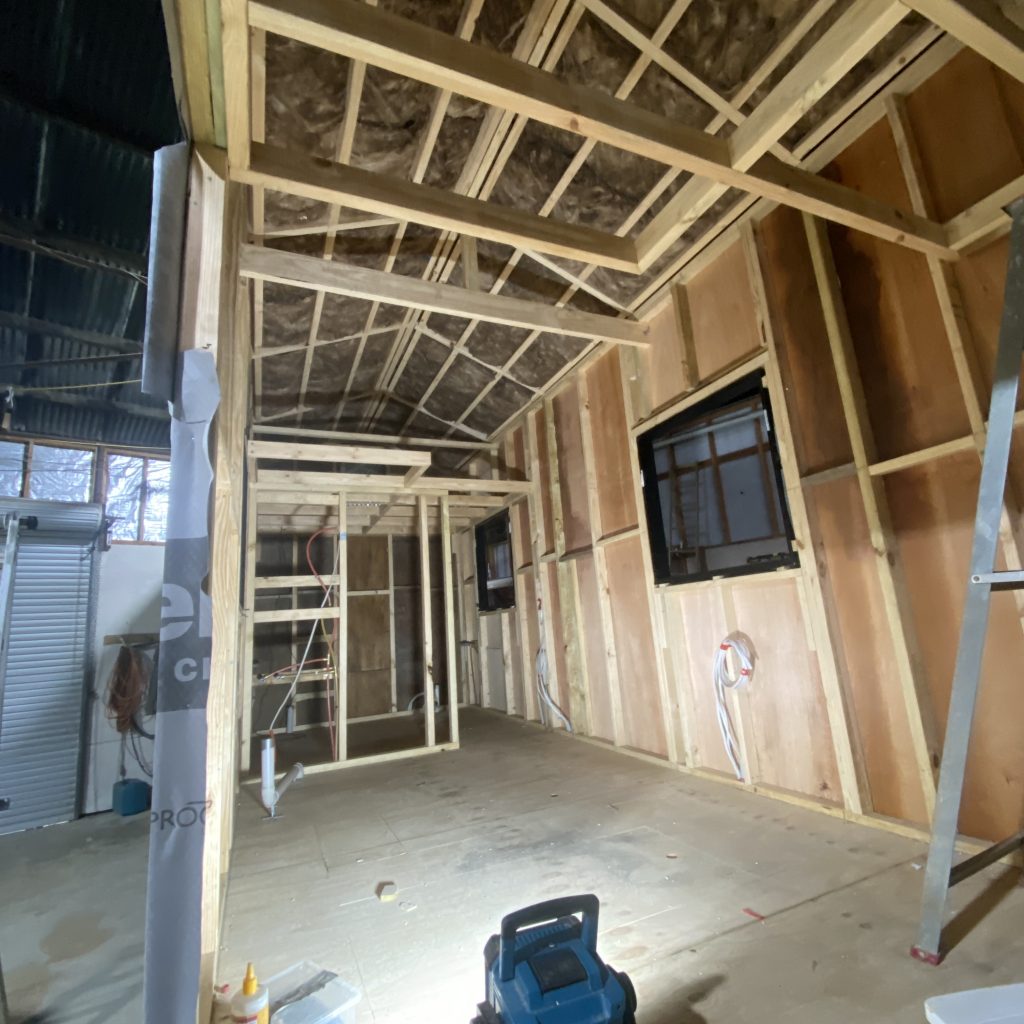
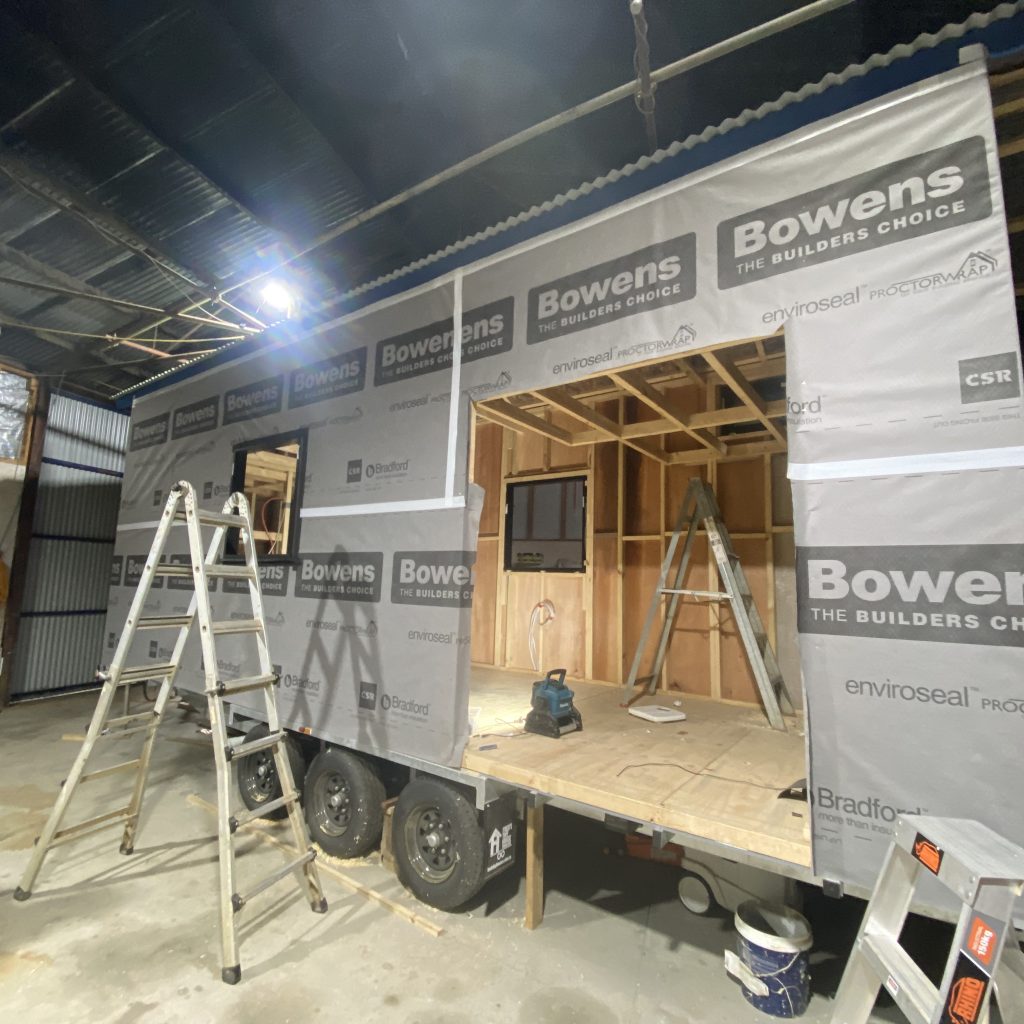
He then bought a Fred’s Tiny House Trailer and had it delivered to Andy Goy who built his tiny house to completion in 12 weeks.
Start here: